
Brand Strategy Defined: Unlocking Success for Entrepreneurs
Discover the meaning and importance of brand strategy for entrepreneurs. Learn how to define your target audience, position your brand, craft effective messaging, and create a compelling visual identity.

In the competitive world of business, having a strong brand strategy is crucial for entrepreneurs and those looking to start a new business. A well-defined brand strategy forms the foundation for success by establishing a clear direction and purpose for your business. This comprehensive guide will explore the meaning and importance of brand strategy, providing entrepreneurs with essential insights and actionable tips for implementing a successful brand strategy.
What is Brand Strategy?
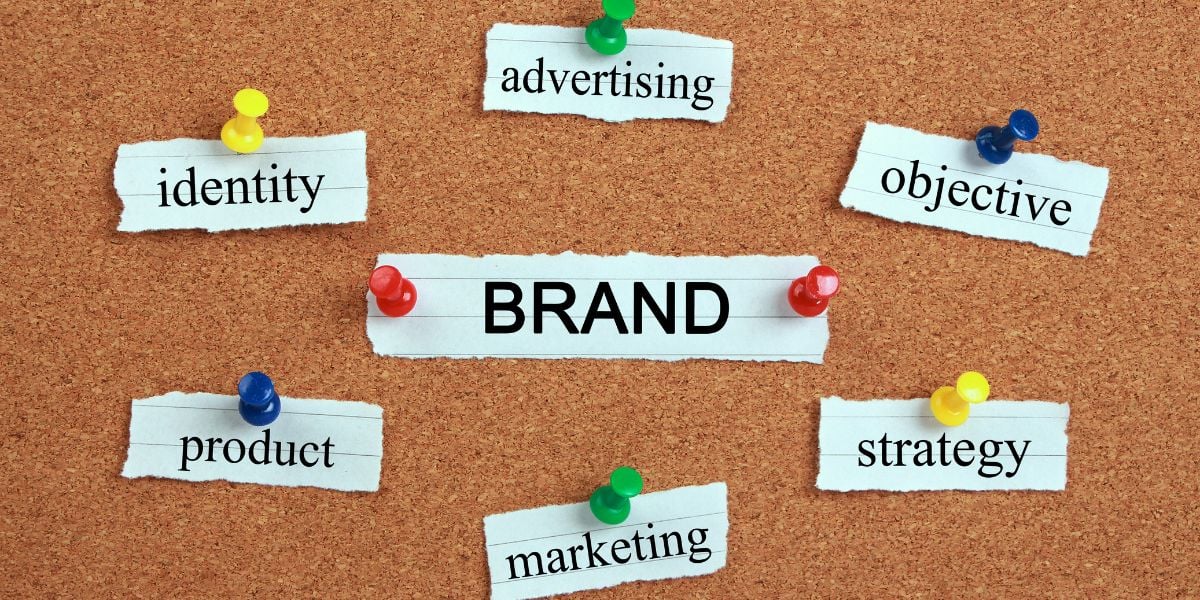
Brand Strategy, in essence, is a long-term blueprint designed and implemented by businesses to foster a unique and distinguished brand identity. It maps out how a business presents itself to the world, where it wants to place its stake in the market, and how it intends to bring those plans to fruition. This strategy encompasses numerous elements, such as defining the target audience, positioning, messaging, and visual identity.
The development of your business planning format must factor in these elements, and their interconnection is vital for an integrated approach to branding. For instance, your audience analysis will influence your cornerstone messaging, which seamlessly should mirror in your brand's visual identity.
Additionally, as part of your strategy, research and development play an integral role in understanding industry trends, customer behavior, and competitor analysis. This information helps you shape a brand that resonates with your audience while setting you apart in your industry.
Beyond creating an effective communication conduit between businesses and consumers, a robust brand strategy helps carve a niche in your market, influencing customer perception and stimulating brand loyalty.
An effective brand strategy is pivotal for any enterprise to thrive in today's highly competitive marketplace. It enables businesses - from startup entrepreneurs to seasoned corporations - to shape their narrative, uniquely convey their value proposition, and gradually create an endearing space for their brand in consumers' minds.
In-Depth Guide to Successful Brand Strategy Development
Branding, positioning, awareness, catering to target customers, and proper business planning are all pivotal elements in formulating a brand strategy. Below are more expansive how-tos on defining target audience, positioning your brand, crafting effective messaging, and more.

1. Defining Your Target Audience:
Understanding your audience is a cornerstone of a successful brand strategy. This requires identifying customer demographics, behaviors, and preferences, and then tailoring your offerings to meet their needs. To define your target audience:
- Conduct market research to understand customer needs and expectations
- Analyze customer data to identify patterns and trends
- Develop buyer personas that represent your ideal customers
- Regularly review and update these personas as customer needs evolve
2. Positioning Your Brand:
Brand positioning involves defining how your brand distinguishes itself from competitors in the minds of your target customers. This could involve highlighting your unique value proposition, strengths, or competitive edge. To position your brand effectively:
- Identify your competitive advantages and unique selling points
- Formulate a clear, compelling positioning statement that encapsulates these unique aspects
- Ensure all branding and marketing efforts reinforce your positioning statement
3. Crafting Effective Messaging:
Your messaging strategy should reflect your unique value proposition and core brand values. Consistent messaging fosters trust and loyalty among your target customers. To craft an effective messaging strategy:
- Define your brand's promise and unique value proposition
- Develop key messages that align with your brand promise
- Ensure consistent application of these key messages across all marketing channels
4. Elevating Brand Awareness:
Boosting awareness of your brand helps acquire new customers and retain existing ones. Consistently sharing your brand message and values through various channels enhances brand awareness. To boost brand awareness:

- Implement a multi-channel marketing strategy
- Regularly publish engaging, relevant content that aligns with your brand's values
- Leverage social media platforms to reach a wider audience and encourage engagement
5. Business Planning for Branding Success:
- An effective business plan provides a strategic framework for all your branding activities. To establish a business plan that supports branding success:
- Define clear business objectives and strategies that align with your brand promise
- Allocate resources effectively to ensure achievement of your branding goals
- Monitor outcomes and adjust your business planning as necessary based on performance results
By following these steps and consistently refining your approach, you'll develop a robust branding strategy that engages your target audience and sets you apart in your market.
Visual Identity: Unleashing the Power of Design and Perception
Visual identity plays a preeminent role in shaping the perception of your brand; it paints a vivid picture in your customers’ minds even before they interact with your products or services. Balanced color schemes, well-crafted logos, thoughtful typography, and consistent imagery form the visual lexicon of your brand. When carried out with precision and creativity, these can elicit positive emotional responses, thereby creating an enduring brand recall.
Here's a detailed breakdown of how to establish a compelling visual identity:
Logo Design:
Start with designing a logo that acts as the face of your brand - something that imparts your brand's unique essence. A powerful logo can inspire strong instant recognition amongst your audience.
- Employ simple, scalable designs to ensure legibility across all platforms
- Align the logo design with your brand personality and values
Color Palette:
Your color palette should reflect your brand personality. Colors carry emotional significance - leverage them to evoke desired emotions in your audience.
- Choose primary and secondary colors for your brand that complement each other
- Make sure chosen colors resonate with your target demographic and industry
3. Typography:
Typographical choices narrate your brand's tone of voice. The right typography can lead to better readability and brand perception.
- Determine the typefaces for your brand to ensure consistency across platforms
- Consider factors such as legibility, character spacing, and line spacing
4. Imagery and Graphics:
Using consistent imagery and graphics aids in reinforcing your brand's visual language. These can range from photography style to shapes, icons, and patterns used across your branding materials.
- Establish guideline for image style and graphics use
- Ensure all images and graphics work in harmony with other visual elements
Examples: Few symbols in the world of branding are as instantly recognizable as the 'golden arches' of McDonald's or Starbucks' green 'twin-tailed mermaid'.
These iconic logos are an integral part of the companies' visual identities, stirring immediate recognition and evoking trust the moment they appear within our line of sight. Such powerful perceptions are the result of the perfect blend of visual elements, harmonized to form a remarkable visual identity.
The Impact of Effective Brand Strategy: Examples and Case Studies
To illustrate the impact of effective brand strategy, let's explore two case studies:
Building a successful brand is not merely about selling products or services—it's about shaping perceptions, influencing emotions, and embedding your brand into the everyday lives of your customers. Here are four case studies representing the robust impact of effective brand strategy:

1. Starbucks:
Starbucks revolutionized the coffee industry not through its beverages alone, but by creating a 'third place' between work and home. This strategy has cultivated a unique, community-oriented experience for its customers. Starbucks' focus on premium quality coffee, warm and welcoming store environments, and establishing a sense of community has transformed many casual coffee drinkers into brand loyalists. Thus, the Starbucks experience extends not only to their products but to their overall brand as well.
2. Tesla:
Tesla has engineered its brand around key pillars of innovation, sustainability, and industry disruption. By associating their cars with cutting-edge electric vehicle technology and sleek design, Tesla has attracted environmentally-conscious consumers who appreciate both luxury and technological advancements. Tesla's strategy exemplifies a success story of crafting a compelling brand image that aligns with its values and appeals to its target audience.
3. Airbnb:
Airbnb changed the face of the hospitality industry by promoting an experience of ‘belonging anywhere’. The company’s brand strategy focuses on providing unique, local experiences and the feeling of home, instigating a shift from impersonal hotels to welcoming local homes. Airbnb's innovative approach towards travel resonates with a generation seeking authentic, personalized experiences, thereby forging deep connections with their customers.
4. Apple:
Apple's brand strategy focuses on innovation, superior user experience, and aesthetically pleasing design. Emphasizing the idea of 'thinking differently', Apple has set itself apart by developing a strong brand association with creativity, individuality, and high-quality technology. This effective brand strategy has earned Apple a distinctive market position and an incredibly loyal customer base that extends globally.
The success stories of these brands underscore the influence of an effective brand strategy. The key takeaway is that these brands went beyond selling their products—they sold experiences, stories, and values that resonated deeply with their target customers.
By crafting value-driven and customer-centric brand strategies, they managed to build a loyal customer base and secure a strong position within their respective markets.
Crafting a Winning Brand Strategy: A Comprehensive How-to Guide
Implementing a successful brand strategy requires a deep understanding of several key components, including business planning format, intellectual property, competitive analysis, and brand messaging. Here's a short how-to on each section that will help you create an effective and dynamic brand strategy:
a) Define your business planning format:
Start by outlining your business objectives, target audience, unique value proposition, and marketing channels. This will serve as the foundation for your brand strategy, ensuring that all your branding efforts align with your overall business goals.
b) Protect your intellectual property:
Register your trademarks, copyrights, and patents as necessary to safeguard your brand's identity, products, and services. This ensures that your brand stays unique and prevents potential legal disputes in the future.
c) Conduct a competitive analysis:
Research your competitors, their offerings, and how they communicate with their audience. Identify their strengths and weaknesses, and learn from their successes and failures. This information will help you differentiate your brand and position it effectively in the market.
d) Develop impactful brand messaging:
Clearly articulate your brand values, mission, and unique selling points to create a resonant message that connects with your target audience. Consistency in messaging across all touchpoints will help establish a strong brand presence in the minds of your customers.
e) Monitor and analyze performance:
Regularly track and analyze the performance of your brand strategy using various metrics, such as customer satisfaction, brand recognition, and market share. This allows you to make data-driven decisions and optimize your strategy over time.
By following these steps and incorporating the tips and advice mentioned earlier in this article, you'll be well on your way to crafting a brand strategy that not only stands out in the market but also propels your business towards long-term success.
Your brand strategy is an ever-evolving entity—regularly evaluate, refine, and adapt to stay relevant and competitive in an ever-changing business landscape.
The Power of Your Brand Strategy: A Guide to Success
Throughout this article, we've learned how a clear brand strategy works like a compass. It helps business owners find their path to success in today's world where competition is tough. When you focus on making your business plans neat, create marketing plans that really hit the mark, and work on building loyalty among customers, you create a brand that doesn't only appeal strongly to your chosen audience but also makes a lasting memory for potential customers.
Think of your brand like a cool, well-planned party. Your business planning format is your party plan where you decide what games to play or what food to serve.

Your marketing strategy is your invitation—how you catch the attention of your friends (your target audience). And when your guests enjoy your party and come back for the next one, that's brand loyalty! So, just like how you'd plan an unforgettable party, you can create a brand that stands out and is memorable.
Your target customers are at the core of your brand strategy journey. Identifying and understanding their preferences and needs allow you to shape your offerings and messaging accordingly. Engage them and solidify emotional connections, which, in turn, fosters customer loyalty and brand advocacy.
Remember, your brand strategy must evolve as the market changes and customers' preferences shift. Constantly scrutinize your key elements, refine your marketing strategy, and ensure that you effectively meet your target audience's needs.
In the words of Richard Branson, "A business has to be involving, it has to be fun, and it has to exercise your creative instincts." Your brand is an extension of your passions and visions. Let these motivationally fuel your consistently superior delivery on customer experiences and the carving out of a unique, memorable niche in the marketplace.
In conclusion, be proactive in leveraging the actionable tips and advice provided in this article to forge a mighty brand strategy that will undoubtedly propel your business forward, while making a sizable impact on your audience.
Use your brand's unique essence as fuel to motivate you in consistently delivering exceptional experiences to your customers and carving a distinct niche worth remembering in the market.
Discover the Right Tools for Your Startup
Take our 2-minute quiz to find tools tailored to your specific needs and goals.
Take the QuizTakes only 2 minutes


