
Charting Success: Strategic Planning for Startups
Discover the power of strategic planning for startups! Learn essential steps and examples to guide your business towards long-term success and growth.

Embarking on a new business venture is an exhilarating journey filled with endless possibilities. However, without a strategic plan in place, even the most promising ideas can falter. Strategic planning in project management serves as the roadmap for entrepreneurs, guiding them through the complexities of turning their vision into reality.
In this detailed guide, we're going to take a deep dive into the ins and outs of strategic planning. We'll cover all the important stuff: the main ideas, how to do it, real-life examples, and the tough parts that startups and new business owners often run into.
By getting a good grasp of strategic planning and putting it into action the right way, entrepreneurs can feel more sure of themselves in the tough world of business competition. They can set themselves up for success that lasts and keeps going strong.
So, let's get into it and learn how strategic planning can make a big difference for startups and new businesses!
Key Concepts of Strategic Planning
At the heart of strategic planning in project management lies a series of fundamental concepts that form the foundation of a robust business strategy.
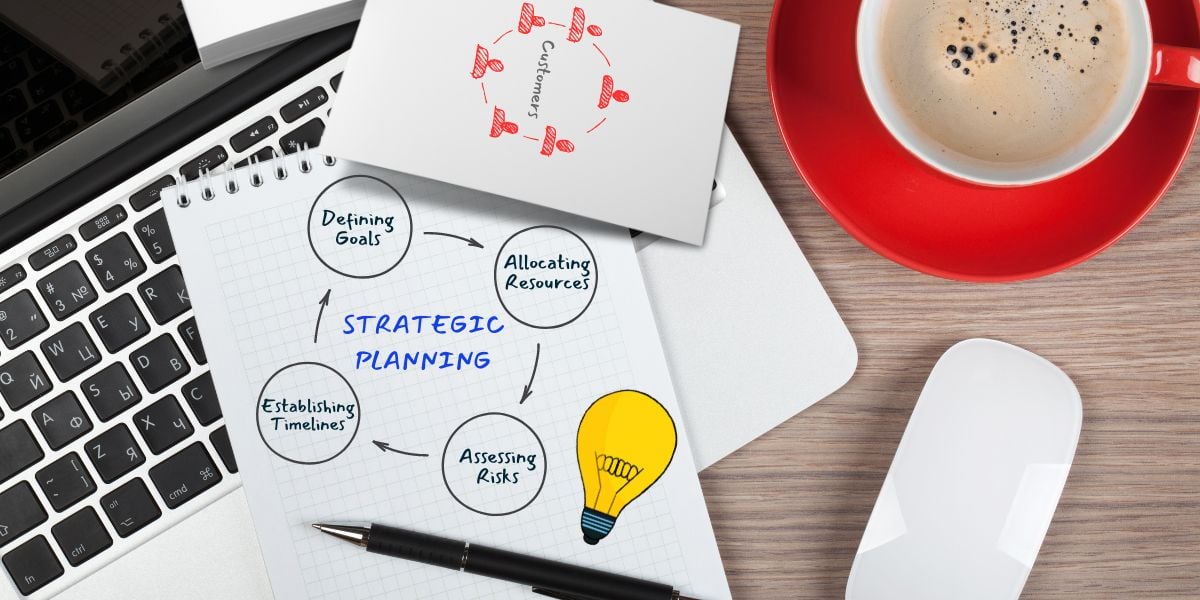
👉Defining Goals: The cornerstone of strategic planning is setting clear and achievable goals. Whether it's increasing market share, launching a new product, or expanding into new territories, defining specific, measurable, and time-bound objectives provides direction and clarity for the entire organization.
👉Allocating Resources: Effective resource allocation is essential for optimizing productivity and maximizing outcomes. This involves identifying and allocating financial, human, and technological resources in alignment with strategic priorities. By investing resources strategically, entrepreneurs can ensure efficient operations and sustainable growth.
👉Assessing Risks: Risk assessment is a critical aspect of strategic planning, particularly for startups operating in dynamic and uncertain environments. By identifying potential risks and evaluating their potential impact, entrepreneurs can develop contingency plans to mitigate threats and seize opportunities. This proactive approach enables businesses to navigate challenges effectively and safeguard against unforeseen obstacles.
👉Establishing Timelines: Time is a precious commodity in the world of entrepreneurship. Establishing realistic timelines and milestones is essential for keeping projects on track and achieving objectives within specified deadlines. By breaking down goals into manageable tasks and assigning timelines to each phase of the project, entrepreneurs can maintain momentum and drive progress towards their strategic objectives.
Agile Methodology: A Paradigm Shift in Project Management
Fast-moving and always-changing business world, the usual ways of managing projects might not work so well for startups and new businesses. That's where Agile project management comes in handy. Agile isn't just a set of rules to follow; it's more like a way of thinking that helps teams stay flexible, work together better, and always find ways to do things even better.
Agile helps businesses stay quick on their feet and adapt to whatever comes their way. It's all about teamwork, being able to change plans when needed, and always looking for ways to get even better at what you do.
Here's a closer look at why Agile is the go-to approach for startups:
💪Flexibility: Agile embraces change and uncertainty. Instead of sticking to rigid plans, Agile teams are empowered to adapt quickly to new information, market shifts, and customer feedback. This flexibility allows startups to stay nimble and responsive in dynamic environments.
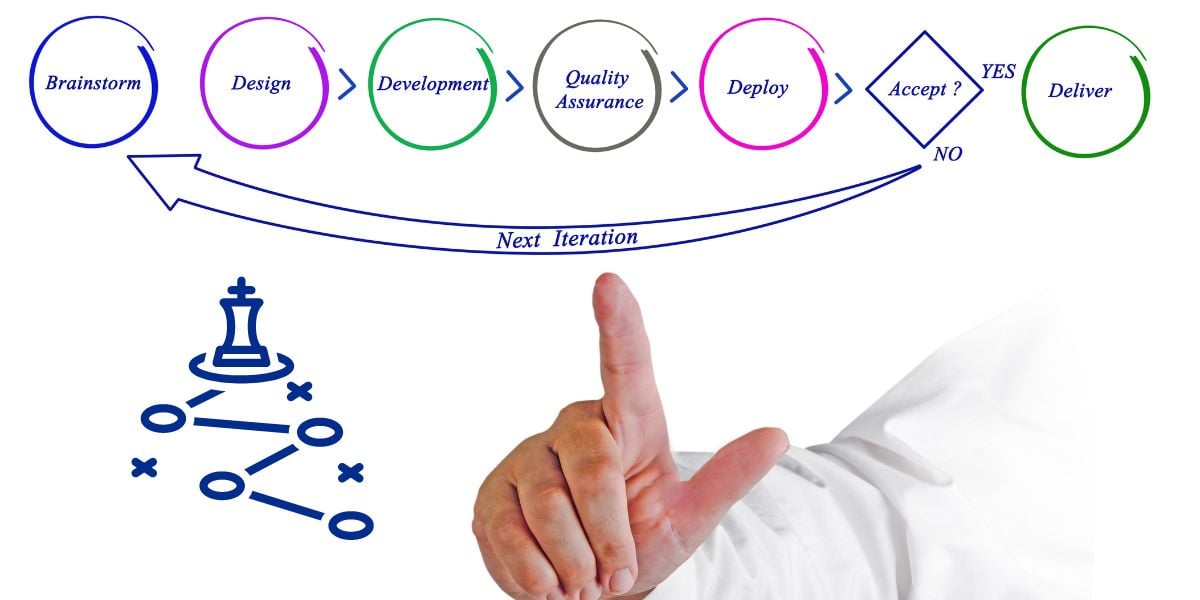
💪Iterative Approach: Unlike traditional waterfall methodologies, which follow a linear and sequential process, Agile breaks projects into smaller, manageable increments known as sprints. Each sprint delivers a usable product increment, allowing startups to gather feedback early and make course corrections as needed.
💪Collaboration: Agile encourages collaboration among team members, stakeholders, and customers. By fostering open communication and transparency, Agile teams can harness the collective intelligence of everyone involved, leading to better outcomes and stronger relationships.
💪Continuous Improvement: One of the core principles of Agile is the commitment to continuous improvement. Through regular retrospectives and feedback loops, Agile teams reflect on their performance, identify areas for improvement, and take action to enhance their processes and practices.
💪Customer-Centricity: Agile puts customers at the center of the development process. By delivering value to customers in small increments, startups can validate assumptions, test hypotheses, and ensure that their products meet customer needs and expectations.
Agile project management empowers startups to deliver value to customers faster and more efficiently while remaining adaptable and responsive to change. By embracing Agile principles and practices, startups can increase their chances of success in today's competitive business landscape.
Practical Examples: Applying Strategic Planning and Agile Methodologies in Startup Scenarios
In real-world startup scenarios, strategic management and Agile methodologies play crucial roles in achieving success:
⏩Product Development: When a software startup plans to launch a mobile app, strategic management involves setting clear goals, allocating resources, and identifying potential risks. By embracing Agile methodologies, the team prioritizes features based on customer feedback, delivering a minimum viable product (MVP) quickly. As user input comes in, they adjust the strategy to meet evolving needs.
⏩Market Entry Strategy: For an e-commerce startup eyeing international markets, strategic management includes researching markets, identifying target demographics, and analyzing competitors. Agile methodologies allow them to test market hypotheses, adapt marketing strategies based on performance data, and refine their approach to capitalize on opportunities and minimize threats in each new market.
Challenges for Startups: Navigating the Roadblocks
Strategic planning is super important for long-term success, but startups and new entrepreneurs often run into a bunch of tough challenges. Here are some common ones:
⏩Limited Resources: Startups usually don't have a ton of money to work with, so figuring out how to use what they've got can be really tough. They might not have enough people or the right tools, which makes it hard to do all the cool stuff they want to do.
⏩Uncertainty: The startup world is always changing, and that can throw a wrench in even the best plans. Things like sudden shifts in what customers want or unexpected problems can make it tricky to stick to a plan.
⏩Market Volatility: Startup environments are super competitive and can change really quickly. New competitors, new tech, and even new rules from the government can shake things up and force startups to rethink their plans fast.
But even though these challenges are tough, startups can still make it through by being smart, staying flexible, and working together as a team
Tips for Overcoming Challenges: A Roadmap to Success
Despite the challenges they face, startups and new entrepreneurs can overcome obstacles and achieve their strategic objectives by adopting the following tips and strategies:
📌Prioritize Goals: Focus on high-impact initiatives that align with your core business objectives. 👉Prioritize projects based on their potential to drive growth, generate revenue, or enhance customer satisfaction.
📌Leverage Available Resources Creatively: Think outside the box when it comes to resource allocation. Explore cost-effective alternatives, such as outsourcing non-core functions, leveraging cloud-based technologies, or forming strategic partnerships to access additional expertise and resources.
📌Embrace Flexibility and Adaptability: In a rapidly evolving business landscape, agility is key to survival. Be prepared to pivot quickly in response to changing market conditions, customer feedback, or competitive pressures. Embrace a mindset of continuous improvement and iteration to stay ahead of the curve.
📌Foster a Culture of Collaboration: Encourage open communication and collaboration across teams to foster innovation and creativity. Break down silos and empower employees to contribute ideas, share feedback, and work together towards common goals.
📌Invest in Continuous Learning and Development: Stay ahead of the curve by investing in ongoing learning and development initiatives. Keep abreast of industry trends, emerging technologies, and best practices in strategic planning and project management to remain competitive in today's fast-paced business landscape.
Strategic Planning for Startups and Entrepreneurs
Strategic planning serves as the bedrock of a business, much like laying a strong foundation for a house. It provides a guiding light for startups and new entrepreneurs embarking on their journey into the business world. By crafting a brand strategy and business plan, they can delineate clear objectives, allocate resources judiciously, and remain adaptable in the face of uncertainty.
Starting a business is undoubtedly challenging, with obstacles lurking at every corner. However, by leveraging creativity in resource utilization, prioritizing key aspects outlined in their brand strategy and business plan, and fostering a collaborative and innovative culture, startups can overcome hurdles and thrive amidst the rapid changes of today's business landscape.
As motivational speaker Zig Ziglar once said, 'You don't have to be great to start, but you have to start to be great.' This quote reminds us that every successful entrepreneur was once a beginner, taking that first step into the unknown. So, don't be afraid to start, because with strategic planning and a determined mindset, greatness awaits."
Discover the Right Tools for Your Startup
Take our 2-minute quiz to find tools tailored to your specific needs and goals.
Take the QuizTakes only 2 minutes


