
SWOT Analysis: Basics for Entrepreneurs
Unlock the potential of purpose-driven marketing strategies with this comprehensive blueprint for success. Maximize impact and resonate with your audience.

Running a business is like navigating a maze. Wondering which way to go? That's where SWOT analysis helps. It's a tool to see your business clearly. SWOT means Strengths, Weaknesses, Opportunities, and Threats.
With SWOT analysis, you spot your business's good and bad points, find new chances, and note any challenges. This helps decide on marketing, product ideas, and where your business is headed.
SWOT Analysis: The Key to Making Smart Business Decisions
Imagine you're the captain of a ship, navigating the ever-changing seas of the business world. To chart a successful course, you need to be aware of everything around you. This is where SWOT analysis comes in. It's a powerful tool that helps you assess your business situation and make informed decisions about its future.
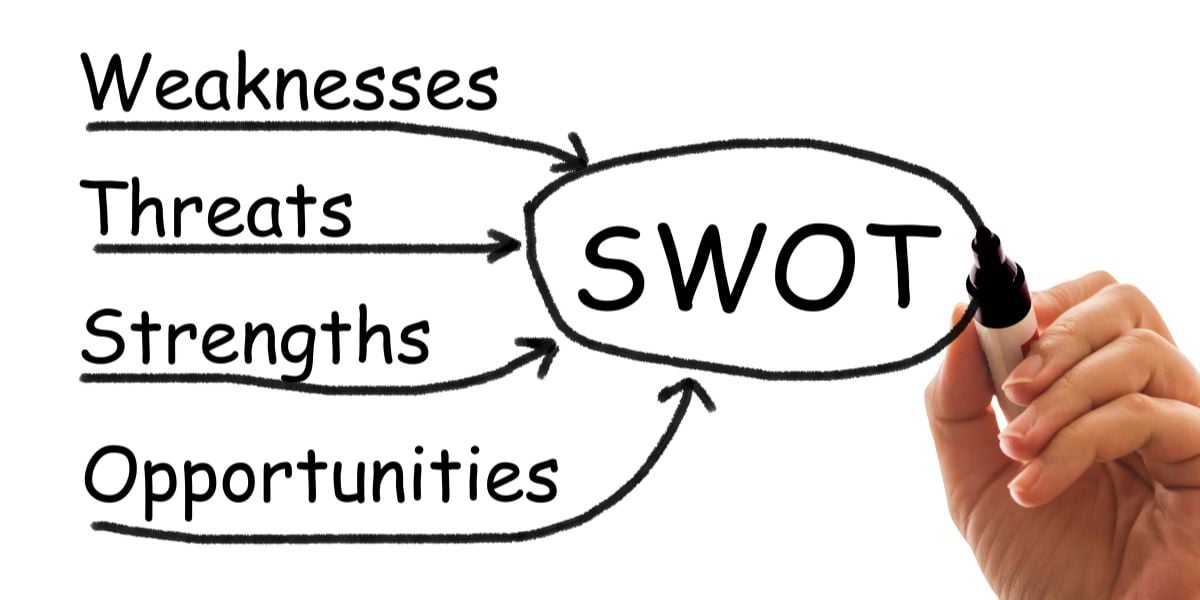
SWOT stands for Strengths, Weaknesses, Opportunities, and Threats. By analyzing these four key areas, you gain a comprehensive understanding of your business operations. Here's a breakdown of what each element means:
- Strengths: These are the internal factors that give your business an edge. It might be your team's expertise, a unique product offering, or a strong brand reputation. Identifying your strengths allows you to leverage them to your advantage.
- Weaknesses: Let's be honest, no business is perfect. Weaknesses are internal factors that hinder your performance. This could be anything from limited resources to outdated technology. Understanding your weaknesses allows you to address them and improve your operations.
- Opportunities: The external landscape is full of exciting possibilities. Opportunities are external factors that present growth potential for your business. Maybe it's a new emerging market, a shifting customer trend, or a partnership with another company. Identifying opportunities allows you to capitalize on them and stay ahead of the curve.
- Threats: Not everything out there is sunshine and rainbows. Threats are external factors that could negatively impact your business. This could be a new competitor entering the market, a change in government regulations, or a global economic downturn. Understanding threats allows you to prepare for them and minimize their impact.
✳️Why SWOT Analysis Matters: A Goldmine for Strategic Decisions
So, why should you care about SWOT analysis? Because it provides valuable insights that can guide your entire business operation. By understanding your strengths and weaknesses, you can make informed decisions about resource allocation, marketing strategies, and process improvement.
Identifying opportunities allows you to explore new markets, develop innovative products, and stay competitive. And by preparing for potential threats, you can safeguard your business from unexpected challenges.
In short, SWOT analysis is like a roadmap to success. It helps you navigate the ever-changing business environment and make strategic decisions that lead to long-term growth and prosperity. So, grab your compass (or SWOT analysis template) and chart a course for your business success!
The Origins of SWOT Analysis: A Tool with a History
The SWOT analysis we know today is a business staple, but it wasn't always around. It actually has its roots in the 1960s! Back then, a consultant named Albert Humphrey was working with some of the biggest companies in the world (think Fortune 500). He saw a need for a better way for businesses to plan for the future and make strategic decisions.
Humphrey started thinking about all the factors that could affect a company's success. He realized there were both internal aspects, like a company's strengths and weaknesses, and external factors, like exciting opportunities and potential threats.
So, he created a framework to analyze all of these elements - Strengths, Weaknesses, Opportunities, and Threats. And voila! The SWOT analysis was born.
This simple yet powerful tool quickly caught on. Businesses of all sizes saw the value in having a clear picture of their internal strengths and weaknesses, as well as the opportunities and threats they faced in the ever-changing world of commerce.
From its origins in the corporate boardrooms of the 1960s, SWOT analysis has become a go-to planning tool used by businesses around the globe.
Imagine You're Running a Hot New Online Clothing Store: A SWOT Analysis Example
So you've got a fantastic idea for an online clothing store and you're ready to take the plunge into the world of ecommerce. But before you jump in head first, it's a good idea to take a step back and assess your business using a SWOT analysis.
Think of SWOT like a roadmap that helps you see your business clearly. It stands for Strengths, Weaknesses, Opportunities, and Threats. By taking a good look at each of these areas, you can identify what your business does well, where it can improve, exciting new possibilities, and any challenges you might face down the road.
Let's see how this works in action with your online clothing store:
📚Strengths: Create a brand strategy. What makes your store special? Maybe you have a strong brand identity with a unique style that people love. Perhaps you offer a super diverse product line with something for everyone's taste.
Do you have a team of e-commerce experts who know how to navigate the online shopping world? These are all strengths you can build on!
📚Weaknesses: Nobody's perfect, and being honest about your limitations is important. Maybe your marketing budget is a little tight, making it tough to spread the word about your awesome store. Perhaps your website design is a bit outdated and could use a refresh to make it more user-friendly. Recognizing these weaknesses allows you to brainstorm ways to improve.
📚Opportunities: The fashion world is always changing, and new trends are constantly emerging. What exciting possibilities are out there for your online store? Maybe there's a growing interest in sustainable fashion that your brand can embrace.
Perhaps there are new markets with potential customers waiting to discover your unique style. Keeping an eye on opportunities allows you to stay ahead of the curve and tap into new trends.
📚Threats: Running a business means being prepared for challenges. What are some potential roadblocks your online store might face? Competition from established brands is a reality in fashion. There's also the chance of disruptions in the global supply chain that could affect getting products to your customers.
Understanding these threats allows you to develop backup plans and strategies to keep your business running smoothly.

By considering all these factors - strengths, weaknesses, opportunities, and threats - you gain a valuable understanding of your online clothing store's place in the market.
This information can then be used to make smart decisions about everything from marketing and product development to website design and budgeting. So, grab a pen and paper and get ready to SWOT your way to online clothing store success!
Making Smart Choices with SWOT Analysis: Marketing and Product Development
Remember SWOT analysis, that handy tool to understand your business? Well, it's not just about figuring out your strengths and weaknesses. It can actually help you make smart decisions about different areas of your business, like marketing and product development. Here's how:
- Marketing Magic: SWOT analysis can help you identify exciting new opportunities in marketing. Maybe there's a whole new group of customers you haven't reached out to yet, or a hot new trend you can leverage in your marketing message. By understanding these opportunities, you can develop targeted marketing strategies that will help you stand out from the competition.
- Product Powerhouse: SWOT analysis can also be a game-changer for product development. It can help you identify potential weaknesses in your existing products, or even spark ideas for entirely new ones! By gathering feedback from your customers and analyzing your strengths and weaknesses, you can improve existing features or create innovative products that perfectly meet your customers' needs.
In short, SWOT analysis is like a roadmap that helps you navigate the ever-changing world of business. By understanding your strengths, weaknesses, opportunities, and threats, you can make informed decisions about marketing and product development that will lead your business to success.s.
SWOTing Your Way to Success: Easy-to-Use Tools and Templates
So, you've learned about the power of SWOT analysis and how it can help you make smart decisions for your business. But how do you actually get started with it? The good news is, there are plenty of tools and resources available to make SWOT analysis a breeze!
✳️Here are some options to consider:
- Online Templates: The internet is overflowing with free and paid SWOT analysis templates. These are pre-made charts or worksheets that guide you through the process of identifying your strengths, weaknesses, opportunities, and threats. They often include helpful prompts and space to write down your ideas. Just search online for "SWOT analysis template" and you'll find a variety of options to choose from.
- SWOT Analysis Software: For those who like a little more tech help, there's even software specifically designed for SWOT analysis. These programs can be simple or complex, depending on your needs. Some offer features like online collaboration, mind mapping tools, and the ability to visually represent your SWOT analysis. Examples of popular SWOT analysis software include MindTools and Trello.
- DIY Approach: If you're comfortable with basic spreadsheet programs, you can always create your own SWOT analysis template. All you need is a tool like Microsoft Excel or Google Sheets. Set up a table with four sections: Strengths, Weaknesses, Opportunities, and Threats. Then, brainstorm and fill in each section with the relevant information about your business.
No matter which method you choose, the important thing is to get started! SWOT analysis is a valuable tool that can be used by businesses of all sizes and in all industries. By taking the time to understand your strengths, weaknesses, opportunities, and threats, you'll be well on your way to making informed decisions that lead your business to success.
Keeping Your SWOT Analysis Up-to-Date: Measuring Success
So, you've created your SWOT analysis and are using it to make smart business decisions. But that's not the end of the story! Just like anything else in business, your SWOT analysis needs a little TLC from time to time. Here's how to ensure it stays effective:
- Regular Check-Ins: Don't just stick your SWOT analysis in a drawer and forget about it. Set aside some time regularly to revisit it. Think quarterly or even every six months, depending on how quickly your industry changes.
- Tracking Progress: As you review your SWOT analysis, track how things are going. Have you addressed any of your weaknesses? Have there been any new opportunities that emerged? Keeping track of your progress allows you to see the impact of your decisions and identify areas where you might need to adjust your strategies.
- Market Shifts: The business world is constantly evolving. New trends emerge, technology changes, and your competitors might even shift their strategies. By regularly revisiting your SWOT analysis, you can make sure it reflects the current market landscape. This allows you to identify new threats or opportunities that you might have missed before.

Remember, SWOT analysis is a powerful tool, but it's only as good as the information you put into it. By keeping your analysis up-to-date and using it to guide your decision-making, you'll be well on your way to building a successful and sustainable business. So grab your pen and paper (or your favorite SWOT analysis template) and get ready to revisit your business strengths, weaknesses, opportunities, and threats! This will help you stay ahead of the curve and make the most of the ever-changing business environment.
The road to entrepreneurial success is paved with informed decisions. SWOT analysis is a powerful tool that can help you navigate the exciting yet challenging world of business ownership. By taking the time to understand your strengths, weaknesses, opportunities, and threats, you'll be well on your way to building a thriving business.
"The greatest danger for most of us is not that our aim is too high and we miss it, but that it is too low and we reach it." - Michelangelo
Discover the Right Tools for Your Startup
Take our 2-minute quiz to find tools tailored to your specific needs and goals.
Take the QuizTakes only 2 minutes


