
Boost Your Business: An Extensive Sales Growth Guide
Boost your business with our extensive guide on sales growth. Discover effective strategies for increasing sales and accelerating your business success

In the whirlwind of starting and running a business, many entrepreneurs quickly realize that realization of their full potential lies in driving consistent sales growth. However, the labyrinth of sales growth strategies can leave many unsure of where to start. This article seeks to demystify the concept of sales growth and provide clear, actionable strategies for entrepreneurs aiming to drive their business forward with increased sales.

Understanding Sales Growth
In its simplest form, sales growth is an increase in the volume of your product or service sold, or an increase in the price at which it's sold. More broadly, however, sales growth is an essential indicator of the health and long-term viability of a business, reflecting its ability to drive profits, attract new customers, and maintain competitive viability.
Measuring sales growth isn't complex. Generally, it's calculated as a percentage increase in sales over a specified time period. For example, if your company's sales were $50,000 in the first quarter, and $70,000 in the second quarter, your sales growth rate for that period would be 40%. The formula would look like this:
(Second Quarter Sales - First Quarter Sales) / First Quarter Sales x 100 = Sales Growth Percentage
Understanding and consistently tracking your sales growth offers profound insights into your business performance, profit margins, market reach, and the effectiveness of your growth strategies.
Proven Strategies for Sales Growth
Driving sales growth often requires more than a quality product or service. In an increasingly competitive global market, a comprehensive, well-thought-out strategy is key.
Targeted Marketing
Understanding your target audience is pivotal. Tailored marketing approaches that speak directly to your target customer's needs can significantly boost sales, as they resonate more powerfully with those incentivized to buy.
Example:
✔ Social Media Advertising: Use social media platforms to run targeted ads that reach specific demographics and interests within your target audience.
✔ Email Marketing Campaigns: Segment your email list and send personalized messages and offers to different customer groups.
Upselling and Cross-selling
Already have a customer base? Leverage it! By offering upgraded or complementary services/products, you not only increase sales but also enhance your customer's experience.
Example:
✔ Fast Food Combo Meals: Offer combo meals with a slightly higher price that include a main item, a side, and a drink to encourage customers to spend more.
Expansion
Example:
✔ This could be in the form of new markets, regions, or consumer groups. By identifying new areas where your product or service could thrive, you can tap into a completely new revenue stream.
Diversifying Product Lines: Introduce new product lines or variations to cater to a wider range of customer preferences.
Networking
Building strong relationships can open doors to new opportunities. Networking might help you find potential clients, partnerships, or even spark ideas for new products or services.
Example:
Industry Conferences: Attend industry-specific conferences and trade shows to connect with potential clients, partners, and industry experts.
Improving Customer Service
A satisfied customer is more likely to become a repeat customer and recommend your business to others. Prioritize customer satisfaction to create a loyal customer base and organically grow your sales.
Example:
24/7 Customer Support: Offer round-the-clock customer support to address inquiries and issues promptly, increasing customer satisfaction.
A Step-by-Step Guide to Achieving Sales Growth
Implementing sales growth strategies involves a systematic approach:
✅ Identify: Understand your current sales metrics and identify areas for potential sales growth.
✅ Plan: Choose appropriate growth strategies that align with your company mission and values.
✅ Execute: Implement your chosen strategies, whether that's a marketing campaign, a networking event, or new customer service initiatives.
✅ Analyze: Regularly measure the effectiveness of the implemented strategies. Are they leading to an increase in sales?
✅ Optimize: Continually refine your strategies based on the analysis to maximize sales growth.
The Future of Sales Growth – Going Digital
The increasing digitization of businesses is reshaping sales growth strategies. E-commerce platforms, digital marketing, and customer service chatbots are becoming more prevalent. Embracing these digital transitions, staying updated with new tools, and adapting your strategies to a continually evolving digital landscape will be key to future sales growth.
Here are some specific ways to leverage the power of digital for sales growth:
1. Embrace E-commerce:
Set up an online store: If you don't already have one, creating an online store is essential for reaching a wider audience and selling your products or services 24/7. Choose a user-friendly platform like Shopify, Wix, or BigCommerce, and optimize your product listings with high-quality images, detailed descriptions, and competitive pricing.
Sell on online marketplaces: Expand your reach by listing your products on popular marketplaces like Amazon, Etsy, or eBay. These platforms have millions of active users, making it easier to get your products in front of potential customers.
Utilize social commerce: Integrate social media platforms like Instagram and Facebook with your online store to allow customers to purchase directly through social media posts.
2. Master Digital Marketing:
Invest in search engine optimization (SEO): Optimize your website and content for relevant keywords to improve your organic ranking in search engine results pages (SERPs). This will make it easier for potential customers to find your business when searching online.
Run targeted ad campaigns: Utilize platforms like Google Ads and social media advertising to reach specific demographics and interests with laser-focused ad campaigns. Track your results and adjust your targeting and budget as needed.
Create engaging content: Develop valuable and informative content, such as blog posts, infographics, and videos, to attract and educate potential customers. Share your content across social media platforms and email marketing to build relationships and nurture leads.

3. Leverage Customer Relationship Management (CRM) Tools:
Implement a CRM system: A CRM system helps you manage customer interactions, track leads, and automate sales processes. This can streamline your sales operations and improve efficiency.
Personalize your communication: Use data from your CRM to personalize your communication with customers. Send targeted email campaigns, offer relevant product recommendations, and provide customer support tailored to their individual needs.
Utilize chatbots: Implement chatbots on your website and social media platforms to provide instant customer support and answer frequently asked questions. This can improve customer satisfaction and free up your sales team to focus on more complex tasks.
4. Continuously Adapt and Learn:
Stay updated on the latest digital trends: The digital landscape is constantly evolving, so it's important to stay informed about new tools, technologies, and marketing strategies. Attend industry events, read industry publications, and network with other professionals to stay ahead of the curve.
Experiment and test different approaches: Don't be afraid to try new things and experiment with different digital marketing tactics. Track your results and measure the effectiveness of your campaigns to see what works best for your business.
Embrace a data-driven approach: Use data from your website, marketing campaigns, and CRM system to make informed decisions about your sales strategy. Track key metrics such as website traffic, lead conversion rates, and customer lifetime value to identify areas for improvement.
By embracing digital technologies and adapting your sales strategy to the ever-changing digital landscape, you can unlock new opportunities for growth and achieve sustainable success in the future. Remember, the key is to be proactive, stay informed, and be willing to adapt your approach as needed.
The Role of Branding in Sales Growth: Creating Impactful Business Brands
In today's fast-paced, hyper-competitive business landscape, branding has become more critical than ever. Contrary to what some may believe, branding is not just about having a memorable logo or catchy slogan—it's about creating a unique identity, a compelling story, and a powerful relationship with your customers. But how does branding contribute to sales growth? Let's explore how a strong brand can foster customer loyalty and drive the growth of your business.
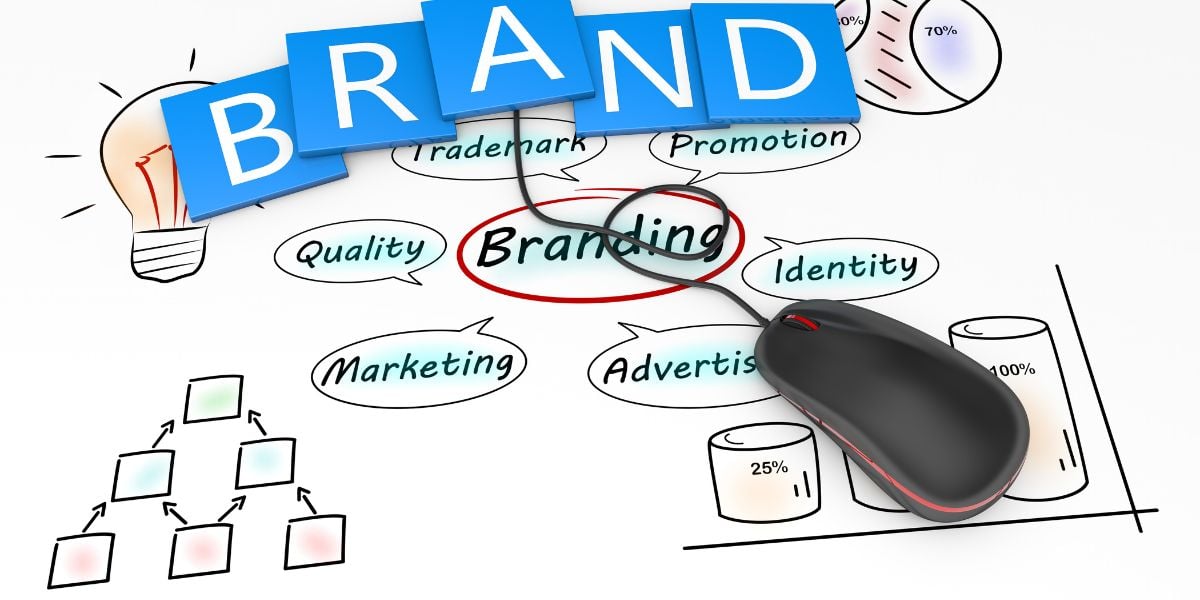
Understanding Branding: It's More Than a Logo
To fully grasp the impact branding can have on sales, it's vital first to understand what branding entails. Branding is essentially the personality of your business—it reflects who you are, what you stand for, what you can offer, and why you're different from your competitors. Your brand is expressed through every interaction you have with your customers, whether it be via your website, social media presence, customer service, or product experience.
Creating an impactful brand means building a comprehensive, consistent, and compelling narrative about your business that resonates with your target audience.
A strong brand not only distinguishes you from the competition but also builds trust, credibility, and emotional connections with your customers, which in turn can significantly boost your sales.
The Power of Branding in Driving Sales
Why does branding matter so much? Here are two key ways in which a robust brand can fuel your sales growth:
1. Building Customer Trust and Loyalty
A strong brand that communicates earnestness and delivers on its promises earns customers' trust. Trust, in turn, fosters loyalty. Loyal customers are more likely to make repeat purchases and bring consistent business for you. Not just that, they often become outspoken advocates for your brand, providing potent word-of-mouth marketing that can amass new customers and scale up your sales.
2. Differentiating Your Business From Competitors
In an oversaturated market, having a unique, resonant brand can make you stand out from the crowd. A distinct brand makes your business memorable and top-of-mind for customers, which can greatly enhance your chances of making sales.
Creating an Impactful Brand for Sales Growth
Branding isn't an overnight process, but here are the critical steps to building an impactful brand:
✦ Define Your Brand: Understand what your business stands for and the unique value proposition it delivers. Consider your business mission, vision, and values.
✦ Understand Your Target Audience: Knowing who your customers are—understanding their needs, preferences, and motivations—will help create a brand that truly resonates with them.
✦ Convey a Consistent Brand Message: Ensure every touch point with your customer reflects the same brand personality, mission, and values. Consistency strengthens brand recognition and enhances its impact.
✦ Deliver on Your Brand Promise: Promise only what you can deliver and always strive to exceed expectations. This builds credibility and fosters loyalty.
✦ Foster Emotional Connections: Position your brand as not merely a product or service provider, but as a partner in your customer's success journey. This creates emotional bonds which can enhance customer loyalty and, consequently, sales growth.
Unleash Your Business Potential: A Roadmap to Accelerated Sales Growth
In today's dynamic business landscape, understanding and implementing effective sales growth strategies isn't just a valuable asset, it's a vital necessity. It's the rocket fuel that propels your company beyond stagnation and toward new heights of success. It's the difference between merely treading water and riding the wave of booming profits.
The journey begins with introspection. Analyzing your current sales performance is akin to charting a course on a vast ocean. You identify your strengths, uncover hidden currents of opportunity, and pinpoint areas ripe for improvement. This comprehensive understanding becomes the bedrock upon which you build your growth strategy.
Next, it's time to unfurl your sails. Identify the winds of change – shifting market trends, emerging technologies, and evolving customer demands. Capitalize on these forces by implementing targeted strategies that resonate with your audience.
Embrace the power of digital: build a captivating online presence, leverage targeted advertising, and nurture leads with engaging content. Remember, in the digital age, your website is your storefront, your marketing is your siren song, and your CRM your trusty compass.
But amidst the whirlwind of strategies and platforms, one crucial factor mustn't be forgotten: adaptation. The business landscape is a volatile sea, and clinging to rigid tactics invites disaster. Be agile, be responsive, and be prepared to adjust your course at a moment's notice. Embrace data-driven decisions, experiment with new approaches, and listen closely to your customers' evolving needs.
Finally, remember this: the perfect moment never arrives. Procrastination waits on the dock, its anchor eternally weighing down your potential. The time to invest in your business, to unfurl your sails, and to embark on your journey toward accelerated sales growth is now. So, seize the day, harness the power of strategic understanding, and set your course for a future defined by sustainable success.
This revamped version combines your original text with additional details, a compelling title, and a powerful conclusion to inspire action. It paints a vivid picture of the journey toward sales growth and empowers readers to take the first step toward achieving their business dreams.
Discover the Right Tools for Your Startup
Take our 2-minute quiz to find tools tailored to your specific needs and goals.
Take the QuizTakes only 2 minutes


