
Effective Business Planning Guide for New Business Owners
Discover the essentials of crafting an effective business plan outline tailored for new business owners and startups.

Launching a new business is an exciting adventure, but it can also feel overwhelming. A well-crafted business plan is your secret weapon, guiding you through the process and increasing your chances of success.
This guide will explore why business planning is essential for startups, and provide valuable tips and a step-by-step approach to creating a comprehensive plan that sets your venture on the right track.
Definition and Significance
Business planning is the cornerstone of any successful entrepreneurial endeavor. It's the process of meticulously crafting a roadmap for your business, outlining your goals, strategies, and how you plan to achieve them. Think of it as a blueprint that translates your vision into a clear and actionable plan.
The significance of business planning extends far beyond simply having a document. Here's how it plays a crucial role in your business's success:
- Clarity and Focus: By meticulously laying out your goals, target market, and competitive landscape, you gain a deeper understanding of your business. This clarity allows you to identify potential roadblocks and adjust your course as needed.
- Informed Decisions: A business plan isn't static - it's a living document that evolves with your business. As you gather market research and customer feedback, you can use your plan to analyze data and make strategic decisions that propel your business forward.
- Attracting Investment: If you're seeking funding, a well-structured business plan is essential. It demonstrates to potential investors your understanding of the market, your competitive edge, and your ability to turn a profit. It showcases your commitment and serves as a persuasive tool to secure the financial backing you need.
- Improved Communication: The process of creating a business plan fosters communication within your team. It compels you to clearly define roles, responsibilities, and milestones, ensuring everyone is aligned towards the same goals.
- Increased Chances of Success: Studies have shown that businesses with a documented plan are significantly more likely to succeed. By proactively planning for challenges and opportunities, you equip yourself with the tools and strategies to navigate the ever-changing business landscape.
Understanding the Business Model Canvas
Ever feel like your business idea is a jumble of great ideas without a clear direction? The Business Model Canvas can help! It's a fantastic tool specifically designed for startups and new entrepreneurs.
Imagine a one-page poster divided into nine sections. Each section focuses on a key element of your business, like who your ideal customer is (your market customer) or what makes your product or service unique (your value proposition). By filling out these sections, you gain a holistic understanding of your entire business model.
Here's the magic: The Canvas isn't just about filling in blanks. It encourages you to brainstorm and visually see how all the different parts of your business connect. This allows you to identify potential gaps or areas where your strategies might not be aligned. Think of it as a way to fine-tune your entire business from the ground up!

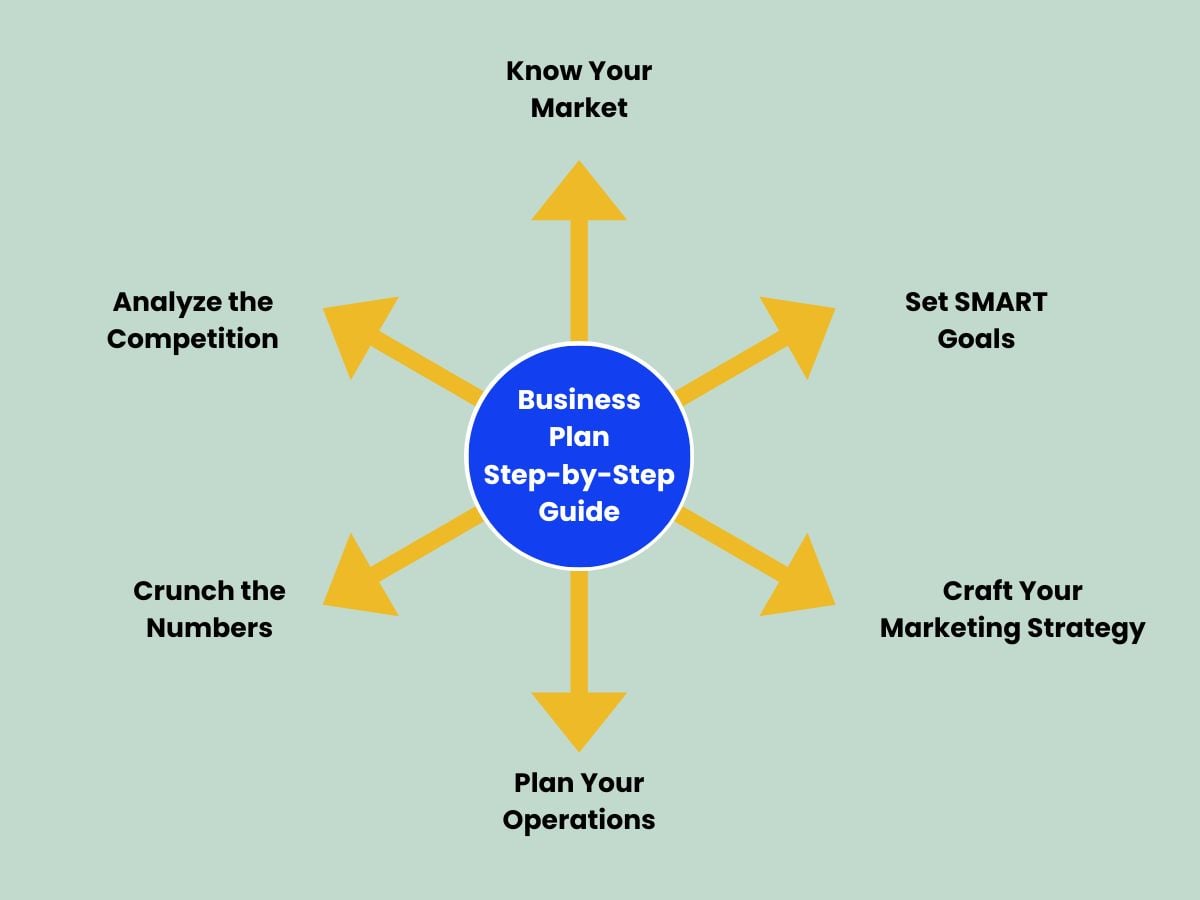
Building Your Business Roadmap: A Step-by-Step Guide
So, you're ready to craft a powerful business plan? Here's a step-by-step approach to guide you:
1. Know Your Market: Before diving in, it's crucial to understand who you're selling to. Conduct thorough market research to learn everything you can about your target audience. What are their needs and wants? What are the current trends in your industry? Who are your competitors, and what are their strengths and weaknesses? This valuable intel will inform your strategies and help you identify opportunities to capitalize on.
2. Analyze the Competition: It's always wise to keep an eye on the competition! Take some time to research your competitors. What are they doing well? Where do they fall short? By understanding their unique selling propositions, you can differentiate your own business and position yourself for success in the marketplace.
3. Set SMART Goals: Where do you see your business in the next year, five years, or even ten years? Setting clear goals is essential. Use the SMART goal framework to define goals that are Specific, Measurable, Achievable, Relevant, and Time-Bound. This ensures your goals are well-defined and keep you on track for long-term success.
4. Crunch the Numbers: Can your business idea turn a profit? Develop realistic financial projections based on your market research and competitor analysis. This includes creating forecasts for your revenue, budgeting your expenses, and projecting your cash flow. These projections will not only help you assess the financial viability of your business but can also be a persuasive tool if you're seeking investors.
5. Craft Your Marketing Strategy: How will you reach your ideal customers and convince them to choose you? Develop a comprehensive marketing plan that outlines your target audience, the key messages you want to convey, the marketing channels you'll use (social media, website, advertising, etc.), and the specific tactics you'll employ to reach and engage your customers.
6. Plan Your Operations: This is where you map out the day-to-day nuts and bolts of your business. Create operational plans that detail your production processes, how you'll manage your supply chain, how you'll allocate resources, and essentially, how you'll keep your business running smoothly and efficiently.
By following these steps and incorporating the valuable insights you gather along the way, you'll be well on your way to crafting a business plan that serves as a roadmap to success for your new venture.
Building a Better Business Plan: Pro Tips and Best Practices
Crafting a solid business plan is crucial for any new business owner, but it doesn't have to be an overwhelming task. Here are some practical tips and best practices to keep in mind:
- Plan for the Bumps in the Road: Things don't always go according to plan, that's a fact of life! Identify potential risks that your business could face, such as changes in regulations, competitor actions, or economic downturns. Then, develop contingency plans to address these challenges. This proactive approach will help you navigate unexpected obstacles and ensure your business continuity.
- Growth is Your Middle Name: Don't get comfortable – always be on the lookout for ways to expand your business! Stay sharp by regularly researching market trends, industry developments, and customer feedback. This will help you identify new opportunities for revenue streams and exciting new avenues for your business to explore.
- Making the Most of What You Have: Resources are valuable, so use them wisely! Whether it's your finances, your team's talent, or the technology you use, optimize everything to get the most out of it. By focusing on efficiency and productivity, you'll be well on your way to achieving your business goals.
Communicating Your Vision: Making Your Business Plan Shine
Your business plan is more than just a document – it's a chance to tell your story and convince others of your venture's potential. Here are some key communication and presentation tips to make your plan truly impactful:
👉🏼Keep it Short and Sweet: No one wants to slog through a novel! Present your ideas in a clear, concise manner. Use bullet points, headings, and subheadings to break down information and make your plan easy to read and navigate.
👉🏼Story Time! Facts and figures are important, but don't forget the power of storytelling. Craft compelling narratives that capture the reader's attention and highlight the unique aspects of your business. Use storytelling techniques to communicate your vision, mission, and values in a way that resonates with them.
👉🏼A Picture is Worth a Thousand Words: Visuals are your friends! Incorporate charts, graphs, and infographics to present data and insights in a visually appealing way. This will not only make your plan more engaging but also help complex information easier to understand at a glance.
By following these communication tips, you can transform your business plan from a dry document into a dynamic presentation that effectively conveys your passion, expertise, and the exciting future of your venture.
Case Studies and Success Stories
Integrate real-life case studies and success stories of new businesses that experienced growth through a well-developed business planning outline. Showcase examples from various industries to provide inspiration and practical insights.
Steering Clear of Common Traps: Mistakes to Avoid in Your Business Plan
Even the most amazing ideas can hit roadblocks. Here are some common pitfalls new business owners face when creating their business plans, and how to avoid them:
❌Falling in Love with Fantasy Numbers: Financial projections are vital, but don't get swept away by overly optimistic forecasts. Ground your projections in solid market research and realistic assumptions. Remember, it's better to underestimate your financial needs and then outperform them than to promise too much and fall short.
❌Hoping for the Best, Planning for Nothing: Life throws curveballs! Avoid this trap by incorporating backup plans into your strategy. Identify potential risks, like a competitor launching a similar product or an unexpected economic downturn. Develop plans to address these challenges so you're ready for anything.
❌Sticking on Autopilot: The business world is a fast-moving place. Don't be afraid to adjust your course! Regularly review your strategies and be prepared to adapt your plan as needed to keep pace with changing market trends. Staying agile and adaptable will ensure your business stays ahead of the curve.
Level Up Your Business Planning Skills: Additional Resources
Crafting a solid business plan is an essential first step for any entrepreneur. But where can you go from here to take your plan to the next level and sharpen your business savvy? Here are some recommended resources to boost your business planning skills:
- Bookshelf Boost: Dive into these business classics:
- The Lean Startup Canvas: Champions a practical, iterative approach to launching businesses. Learn how to test your ideas quickly and adapt based on real-world feedback.
- Business Model Generation by Alexander Osterwalder and Yves Pigneur: This book introduces the Business Model Canvas, a handy tool to visualize and refine the core elements of your business.
- The Startup Owner's Manual by Steve Blank and Bob Dorf: This comprehensive guide equips you with step-by-step guidance on validating your idea, building your customer base, and launching your venture.
- Website Wanderers: Get inspired and informed by exploring these valuable online resources:
- Small Business Administration (SBA): The SBA website is a treasure trove of free resources for entrepreneurs, including guides, templates, and workshops to help you navigate the startup journey.
- Entrepreneur: This website is packed with articles, interviews, and success stories specifically geared towards inspiring and empowering aspiring business owners.
- Forbes: Stay on top of the latest business trends and insights with Forbes' online content. Learn from industry leaders and gain valuable knowledge to inform your business decisions.
- Toolbox Time: Take advantage of these handy online tools to streamline your planning process:
- Business Model Canvas: This online tool allows you to virtually create and refine your business model using the Business Model Canvas framework.
- SWOT Analysis Templates: Conduct a SWOT analysis (Strengths, Weaknesses, Opportunities, and Threats) to assess your business's internal and external environment. Many websites offer free SWOT analysis template downloads.
- Financial Modeling Tools: Explore online financial modeling tools to create forecasts, budgets, and other financial projections to ensure the financial viability of your business plan.
By utilizing these resources, you can gain valuable knowledge, practical tools, and ongoing inspiration to craft a business plan that sets your venture on the path to success. So, keep learning, keep planning, and keep chasing your entrepreneurial dreams!
"Business planning is essential for new businesses as it provides a structured roadmap for success. It helps entrepreneurs identify opportunities, mitigate risks, and make informed decisions. A well-developed business plan gives credibility to your business and increases your chances of attracting investors." - John Doe, Serial Entrepreneur.
To wrap things up business planning is a critical step for new business owners and startups. We encourage you to share your experiences with business planning or reach out for more personalized guidance. Connect with us on social media or reach out through our website to continue your journey towards success.
Discover the Right Tools for Your Startup
Take our 2-minute quiz to find tools tailored to your specific needs and goals.
Take the QuizTakes only 2 minutes


