
How to Craft Winning Sales Goals with Templates
Discover how to create effective sales goals using a sales goals template. Streamline your goal-setting process and maximize business potential.

Setting and achieving sales goals is fundamental to the success and growth of any business. If you're thinking of starting your own business, it's super important to know how crucial sales goals are.
They can make a huge difference in becoming successful. In this article, we'll discuss about how to make good sales goals using a sales goals template. This will make the process of setting your aims a lot easier and help your business reach its full potential.
What is a Sales Goal Template?
A sales goal template is a valuable tool for tracking and achieving sales goals.
Sales goals are like the targets a business sets to sell more and make more money. They're like a map that shows everyone at the business where they're supposed to go. They help get the sales team excited and give a clear plan for success.
The best sales goals make sure your team's efforts match your business's overall plan, making it easier to reach those goals together. Through checking and improving your sales goals, your business can grow bigger, bring in more money, and beat your competition.
For startup owners, using sales goal templates is like taking a crash course in sales management. These templates not just assist you in defining clear targets but also motivate you to frequently check your business plan depending on your monthly, quarterly, or yearly performance.
Creating a Sales Goals Template
A sales goals template acts as a framework to structure and organize your goal-setting process. It provides a structured approach, ensuring that you don't overlook any critical aspects crucial to your business's success. When creating a sales goals template, consider including the following key elements:
🔵 Target Revenue: Define the anticipated revenue you aim to achieve within a specific time frame. This serves as the primary goal that guides your sales efforts.
Here is a brief how-to:
• Gather historical data: Analyze your company's past sales performance to determine trends and identify potential areas for growth.
• Assess market conditions: Evaluate industry trends, economic factors, and competitive landscape to determine realistic revenue goals.
• Set SMART goals: Establish Specific, Measurable, Achievable, Relevant, and Time-bound (SMART) revenue targets for each time frame.
🔵 Gather historical data: Analyze your company's past sales performance to determine trends and identify potential areas for growth.
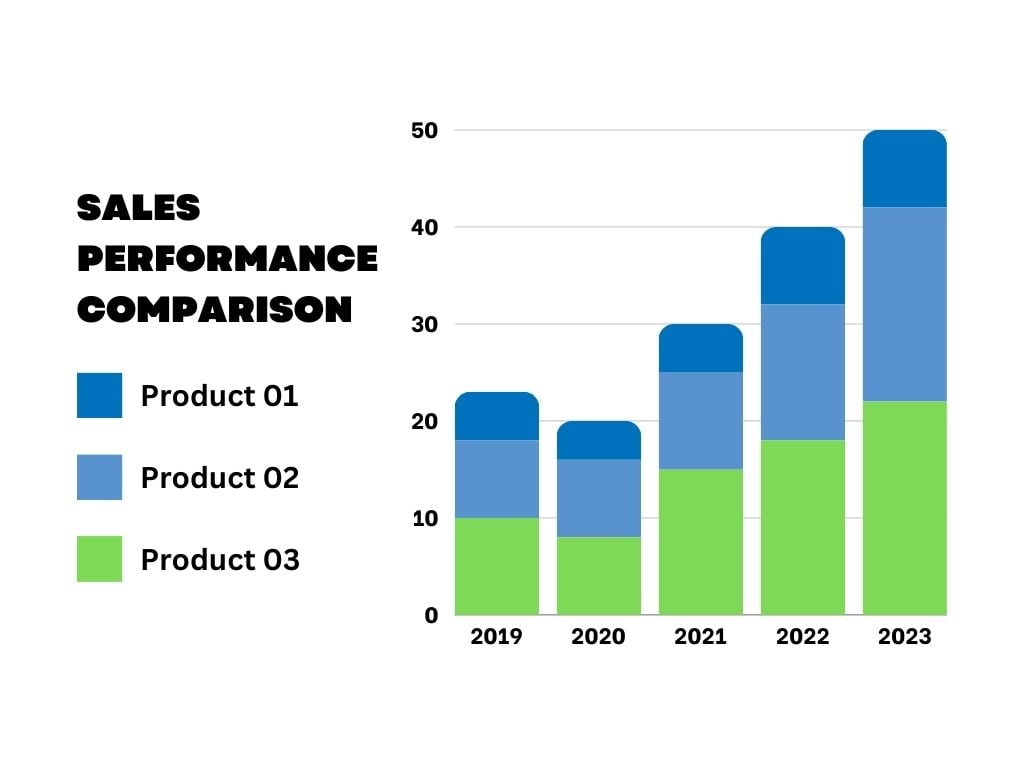
Here is the simple step-by-step guide:
• Find Your Data: Look for all the old sales records your business has.
• Analyze The Data: Read through the records, take notes and try to find patterns.
• Identify Areas For Improvement: This could be a product that didn't sell well or a time when sales dropped. Find out why.
• Make A Plan: Based on what you've found, think of changes you can make to do better in the future.
🔵 Target Customers: Identify the specific customer segments or demographics you want to target. Understanding your target audience helps tailor your
sales strategies to effectively reach and engage potential customers.
Follow this the simple step:
• Define customer personas: Develop detailed profiles of your ideal customers, including their demographics, needs, and buying behaviors.
• Group your customers: Cluster your customer base into distinct segments based on shared characteristics such as industry, location, or company size.
• Prioritize target segments: Identify the most profitable and achievable customer segments to focus your sales efforts on.
🔵 Sales Objectives: Break down your overall revenue goal into specific sales objectives. These objectives can be based on factors such as product lines, geographic regions, or customer segments. These measurable objectives provide a clear roadmap for your team to track and achieve their goals.
You can follow these tips:
• Translate revenue goals into objectives: Break down your overall revenue target into specific, measurable sales objectives for each product line, region, or customer segment.
• Assign ownership: Clearly assign responsibility for achieving each sales objective to specific individuals or teams.
• Establish timelines: Set realistic deadlines for achieving each sales objective to maintain momentum and track progress.
• Convert revenue targets into specific goals: Divide your overall revenue goal into clear, measurable sales targets for each product category, area, or customer group.
• Assign ownership: Clearly assign responsibility for achieving each sales objective to specific individuals or teams.
• Establish timelines: Set realistic deadlines for achieving each sales objective to maintain momentum and track progress.
🔵 Sales Strategies: Outline the strategies and tactics you will employ to reach your sales objectives. This may include marketing campaigns, networking events, partnerships, or other approaches to generate leads and convert them into customers.
• Identify sales channels: Determine the most effective channels for reaching your target customers, such as online marketing, social media, or direct sales.
• Develop sales plays: Create detailed sales plays that outline the steps your sales team will take to engage, qualify, and close leads.
• Leverage technology: Utilize sales automation tools, CRM systems, and data analytics to enhance your sales efforts.
🔵 Key Performance Indicators (KPIs): Define the metrics you will use to measure the success of your sales efforts. This can include metrics like conversion rates, average deal size, customer acquisition costs, or customer lifetime value.

• Define relevant KPIs: Select a set of metrics that accurately reflect the success of your sales initiatives.
• Establish benchmarks: Set benchmark values for each KPI to track progress and compare performance against industry standards.
• Track and analyze KPIs: Regularly monitor and analyze KPI data to identify trends, make adjustments, and optimize your sales strategies.
Tips for Setting Effective Sales Goals
To set effective sales goals, consider the following tips:
✔ Be Specific: Set clear and specific goals that leave no room for ambiguity. This enables your team to have a clear understanding of what needs to be achieved.
✔ Be Measurable: Define metrics or milestones that allow you to measure progress towards your goals. This helps you identify what's working and what needs adjustment.
✔ Be Achievable: Set realistic and attainable goals that challenge your team but are within reach. Unrealistic goals can demotivate and hinder progress, while achievable goals foster motivation and productivity.
✔ Be Aligned: Ensure that your sales goals align with your overall business objectives. This synergy between sales and the broader business strategy enhances performance and maximizes impact.
Types of Sales Templates
There are many different types of sales templates that can help streamline your team's workflow. Some examples include:
➤ Sales Goals Templates: As discussed earlier, these templates help set, monitor, and achieve both short-term and long-term sales targets.
➤ Sales Pipeline Templates: These templates aid in tracking the progress of leads and prospects in the sales funnel, allowing teams to better manage their opportunities.
➤ Sales Call and Meeting Agenda Templates: Structured meeting agendas and call scripts can help ensure your team covers essential topics when engaging with prospects and clients.
➤ Customer Relationship Management (CRM) Templates: These templates organize your team's customer interactions, making it easier to manage relationships and provide excellent service.
➤ Sales Proposal and Quote Templates: Standardized proposals and quotes help you present your products and services professionally, increasing your chances of closing deals.
Advantages of Using Sales Templates
The use of sales templates has several benefits:
Consistency: Templates provide a consistent approach to sales processes, making it easier for team members to collaborate and understand their responsibilities.
Time Efficiency: By having a ready-to-use template, your sales team can save time and devote more energy to their core tasks - selling!
Focus: Clearly defined templates help your sales team stay focused on their objectives, reducing the risk of getting sidetracked or overwhelmed by non-related tasks.
Accountability: With templates in place, it's easier to track individual and team performance, ensuring that everyone remains accountable for their tasks and goals.
Professionalism: Polished, well-organized templates convey a sense of professionalism – not only for your sales team but also in your interactions with clients.
Sample Sales Goals Template
Let's break down what each column signifies:
Quarters:This denotes the particular quarter of the fiscal year you are planning for. The concept of "quarters" in a financial year is instrumental in reporting earnings, filing taxes, and conducting financial forecasts. When planning for a specific quarter, you are essentially allocating resources and setting your goals for that three-month period within the fiscal year.
Revenue Goal: Set your monetary goal for the quarter. This should be realistic and based on past data and growth projections.
New Customer Acquisition:Set a target for how many new customers you aim to acquire in each quarter.
Product Focus: Specify if there's a particular product or service you want your team to focus on in a given quarter.
Upselling Target: Here, establish upselling/cross-selling goals for existing clients.
Responsibility: Assign specific team members or subdivisions to each goal, to establish accountability.
Keep in mind, it's crucial to review and modify these objectives as required during the quarter, taking into account any changes in the business environment or internal factors.
Drawing Up Your Sales Goals With a Template
Let's dive into how to draw up your sales goals using a template:
❶ Understand Your Current Position: Look over your past sales performances; determine your strengths and weaknesses and identify patterns.
You can use a simple Excel spreadsheet or a special sales tracking software to review your past sales data. This will make it easier to spot what you're doing well at and what areas need improvement, and you'll also see any sales trends or patterns that are happening.
❷ Establish Targets: Determine your desired sales outcomes. This could be a specific revenue target or securing a given number of new customers.
❸ Assign Roles & Responsibilities: Every team member should have a clear role in achieving the sales goals. Assign tasks accordingly.
❹ Develop a Timeline: Divide your overall sales target into daily, weekly, or monthly goals to make it more manageable. Consider breaking down your large sales goal into smaller, bite-sized targets. This makes it much more manageable and less intimidating for your team.
Setting daily, weekly or monthly micro-goals also helps in maintaining consistent progress and creates a sense of achievement regularly, thus fueling motivation. Utilize digital tools or project management software that allows you to visually map out your timeline and adjust as necessary.
❺ Track & Evaluate Progress: Regularly review progress towards your goals by checking figures and making necessary adjustments.
Use a tracking tool or dashboard that allows you to update and view real-time progress for all your sales objectives. This makes it easier to compare your actual performance with your set goals and make quick adjustments. Regular check-ins or team meetings can also enhance accountability and ensure everyone is aligned towards achieving the set targets.
Embracing Sales Goals Templates for Startups and New Business
Implementing templates into your sales strategy is not just a step — it's a leap towards a more organized and efficient business operation. It helps reduce errors, boosts accountability, fosters unity within your team, and exudes professionalism. This is a game-changer, especially for startups and new business owners who are in the phase of laying strong groundwork for their businesses.
For new businesses owners, where money and time can be limited, using sales goals templates is a smart way to make sure your team is working towards the same goals.

Initiate your journey with clear sales goals. A well-defined goal is the first step towards success. Having a sales goals template is like having a roadmap. It gives you direction, keeps you focused, and guides you towards your target, despite any potential hurdles along the way.
Consider adopting sales goals templates as an integral part of your business strategy. By doing so, you'll experience not only growth but steady, sustainable progress. Remember, the aim is not to simply reach the top but to stay there. Success in sales doesn't happen overnight, but with meticulous planning and execution, it is certainly achievable.
So, to all startups and new business owners out there: Start today. Equip yourself with the strengths of a sales goals template and set sail towards your business’s success!
Discover the Right Tools for Your Startup
Take our 2-minute quiz to find tools tailored to your specific needs and goals.
Take the QuizTakes only 2 minutes


