
SWOT Analysis Templates for Word: Guide to Business Planning
Master business planning with a strategic SWOT analysis using Word templates. Broaden your competitive edge with insight into strengths, weaknesses, opportunities, threats.

As an entrepreneur or a new business owner, you understand the importance of planning and making sound decisions for your business. But how do you ensure that you're making the right choices? One way is by using a SWOT analysis.
In this article, we'll delve into what a SWOT analysis is, the benefits of creating a SWOT analysis, and provide step-by-step guidance on how to create a SWOT analysis in Word using a variety of templates.
What is a SWOT Analysis?
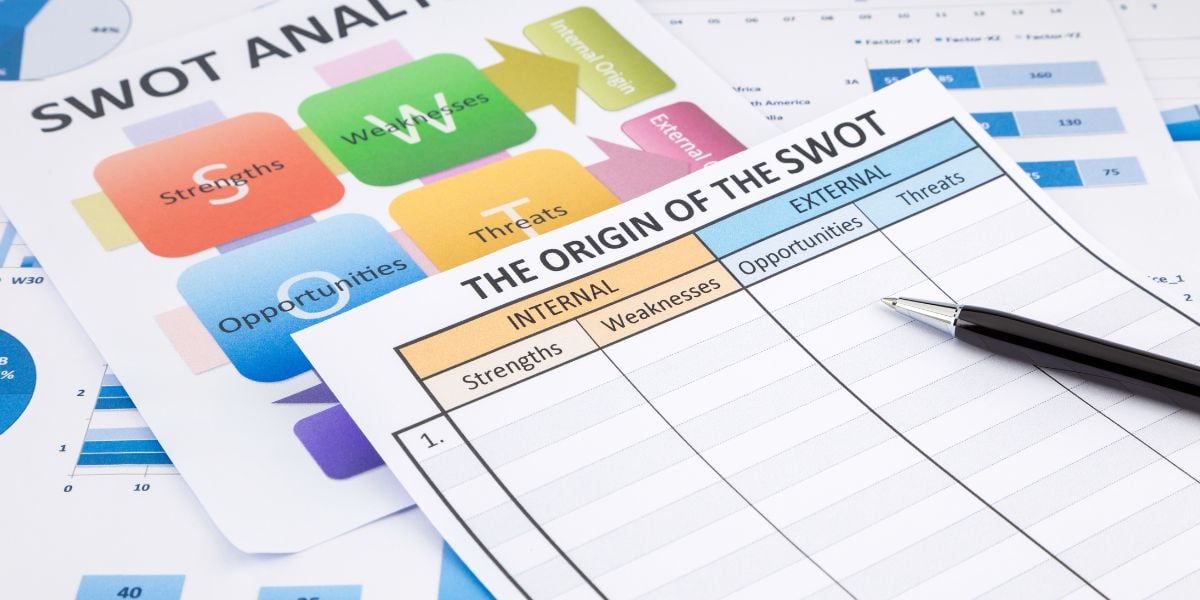
A SWOT analysis is a strategic planning tool used to identify and analyze the strengths, weaknesses, opportunities, and threats of a business or project. It helps businesses assess their current position in the market and make informed decisions about their future direction.
Why is SWOT Analysis Important?
SWOT analysis is an essential tool for businesses of all sizes, whether you're a start-up or an established company. Here are some reasons why SWOT analysis is crucial:
✅ Comprehensive View of Your Business:
Conducting a SWOT analysis helps you identify all the internal and external factors impacting your business. It helps reveal any shortcomings and opportunities for growth.
✅ Staying Competitive:
By understanding your competitors' strengths and weaknesses, you can make informed decisions to stay ahead of the game.
✅ Enabling Strategic Planning:
SWOT analysis is a prerequisite for creating an effective business plan. It helps you set realistic goals, develop strategies, and allocate resources accordingly.
Creating a SWOT Analysis in Word Using Templates
Now that you understand what SWOT analysis is and why it's important, let's discuss how to create a SWOT analysis in Word using templates.
- SWOT Templates Available Online
There are many SWOT analysis templates available online for Word users. Some are free, while others require a fee. Let's explore some popular options:
- Microsoft SWOT Analysis Template:
Microsoft provides a free SWOT analysis template in Word. The template includes sections for strengths, weaknesses, opportunities, and threats, with corresponding examples to guide you as you fill out each section.
- Smartsheet SWOT Analysis Template:
Smartsheet offers a comprehensive SWOT analysis template in Word. The template allows you to customize your SWOT analysis by adding relevant categories specific to your business.
- HubSpot SWOT Analysis Template:
HubSpot's SWOT analysis template in Word provides pre-formatted sections for you to fill out, including sections for internal and external factors.
SWOT Analysis: Step-by-Step Instructions
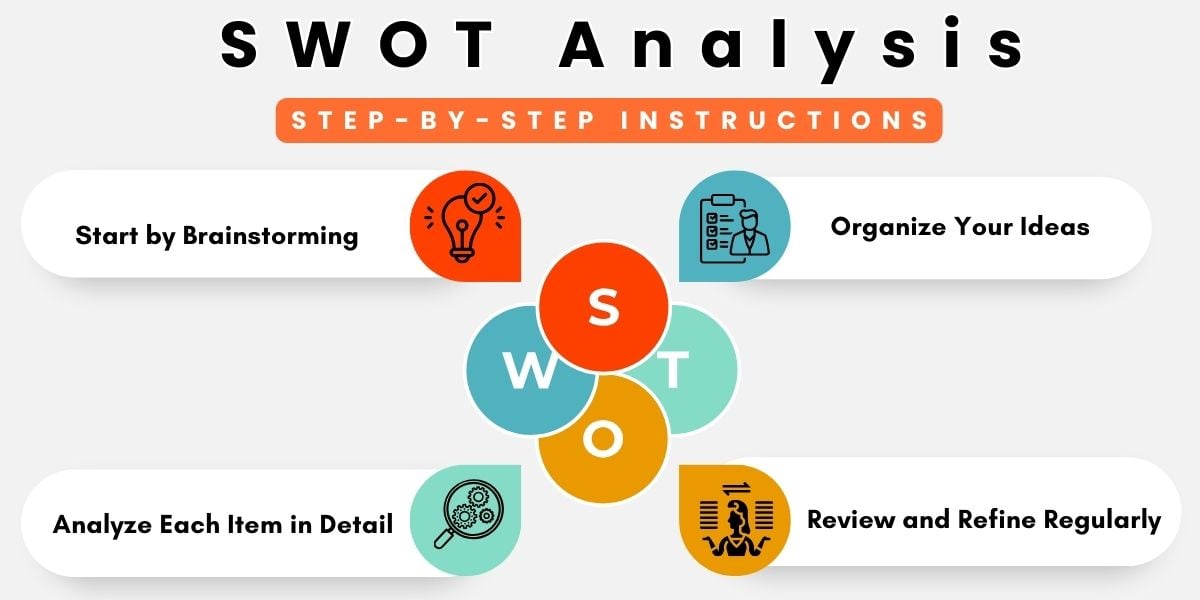
Creating a SWOT analysis is a structured process that involves careful consideration of various factors affecting your business or project. Here are detailed step-by-step instructions on how to create an effective SWOT analysis:
1. Start by Brainstorming:
- Begin by gathering a diverse group of individuals, such as team members, colleagues, or stakeholders, for a brainstorming session.
- Create an open and collaborative environment where everyone can freely share their thoughts.
- Discuss and list down all the strengths of your business or project. These are the internal factors that give you a competitive advantage. Examples include a skilled workforce, a strong brand, or advanced technology.
- Identify and document the weaknesses, which are internal factors that can hinder your progress. These might include limited resources, outdated processes, or a lack of market awareness.
- Move on to explore the external factors. Discuss the opportunities in your market or industry that you can take advantage of. These could include emerging trends, a growing customer base, or changes in regulations.
- Lastly, identify potential threats from the external environment. These are factors that could negatively impact your business, such as new competitors entering the market, economic downturns, or shifts in consumer preferences.
2. Organize Your Ideas:
- Now that you have a list of strengths, weaknesses, opportunities, and threats, it's time to organize them into the relevant categories.
- Use your chosen SWOT analysis template to create clear sections for each category. Ensure that you have a designated space for strengths, weaknesses, opportunities, and threats.
- Carefully transfer the brainstormed points into their respective sections within the template. This organization helps maintain clarity and order in your analysis.
3. Analyze Each Item in Detail:
- For each item identified in your SWOT analysis, dive deeper into the details.
- Explore the implications of each strength, weakness, opportunity, or threat on your business or project. Consider how they interconnect and influence one another.
- Develop strategies to address weaknesses and threats, while also leveraging strengths and opportunities. These strategies should be actionable and tailored to your specific circumstances.
- Include specific action steps, timelines, and responsible parties to ensure accountability in executing these strategies.
4. Review and Refine Regularly:
- A SWOT analysis is not a one-time task; it should be a dynamic and evolving tool.
- Set a schedule for regular reviews of your SWOT analysis. Depending on your business or project, this could be quarterly, semi-annually, or annually.
- During each review, reassess the strengths, weaknesses, opportunities, and threats. Are there new developments or changes in your industry that need to be incorporated?
- Adjust your strategies and action plans accordingly based on the evolving landscape and your business goals.
By following these comprehensive step-by-step instructions, you'll be able to create a SWOT analysis that provides valuable insights and serves as a foundation for informed decision-making. Regular updates and strategic adaptations will ensure that your SWOT analysis remains a relevant and powerful tool in your business planning process.
Common Pitfalls to Avoid
A SWOT analysis is your secret decoder ring, helping you see your hidden strengths, sneaky weaknesses, awesome opportunities, and even scary threats lurking around the corner. But even superheroes can trip up, so watch out for these four common pitfalls:
1. Blinded by Bias:
Imagine a superhero only seeing sunshine and rainbows, even when surrounded by villains. That's what happens when you're biased in your SWOT analysis. Be honest and objective! Look at your business with clear eyes, even if it means admitting your weaknesses. That's how you make the best plans and crush your goals!
2. Flying Solo:
A hero shouldn't fight alone, and neither should you! Get your whole team involved in your SWOT analysis. Brainstorm with employees, chat with customers, and even invite an industry expert to join the party. The more perspectives you have, the better you'll understand your business and the market.
3. Stuck in Slow Motion:
The world is constantly changing, and so should your SWOT analysis. Think of it as your business roadmap, and don't forget to update it regularly! New competitors might emerge, cool trends could pop up, and even your own strengths might evolve. Stay on top of these changes to keep your business zooming ahead!
4. Nearsighted Vision:
Superheroes always look ahead, and you should too! Don't just focus on what's happening now in your SWOT analysis. Think about the future! What opportunities could be waiting just around the corner? What threats might appear on the horizon? By being proactive, you can prepare your business for anything and keep it thriving for years to come!
💡 Bonus Tip: Remember, a SWOT analysis is just a tool. The real magic happens when you use it to write a rock-solid business plan, do a deep dive into your competitors, and laser-focus on your target markets. So go forth, young entrepreneur, and conquer the business world with your SWOT superpowers!
How to Make a Business Plan with SWOT Analysis Templates for Word
Incorporating your SWOT analysis into your business planning process is crucial for creating a well-rounded and effective business plan. Below is a simple how-to guide on integrating your SWOT analysis in your business planning format using Word templates:
✔️ Choose a SWOT analysis template:
Browse and select from a variety of SWOT analysis templates for Word available online, such as those offered by Microsoft, Smartsheet, or Hubspot.
✔️ Gather required information:
Use the SWOT analysis to gather all relevant information on your business's strengths, weaknesses, opportunities, and threats. Include insights from all stakeholders and do thorough market research.
✔️ Set strategic goals:
Based on your SWOT analysis findings, identify your business's most important strategic goals. These goals should address your weaknesses, capitalize on your strengths, embrace opportunities, and be prepared for potential threats.
✔️ Develop an action plan:
Create detailed action plans for each strategic goal, specifying responsibilities and timelines. Make sure you allocate necessary resources and assign tasks to relevant stakeholders.
✔️ Incorporate SWOT into your business plan:
Integrate your SWOT analysis and action plans into your overall business plan, allowing it to guide your company's strategy and decision-making processes.
✔️ Review and monitor:
Regularly revisit your SWOT analysis and business plan to assess progress and adapt to changing market conditions. Update goals, strategies, and actions plans as needed to keep your business on track.
By following these steps and avoiding common pitfalls, you'll create a strong, adaptable, and forward-thinking business plan that includes a thorough SWOT analysis to guide your company's growth and success.
Embracing SWOT Analysis for Long-Term Success
A well-conducted SWOT analysis serves as your compass, guiding you towards long-term success. Not only depth but also precision in your market analysis, financial projection, comprehension of your potential customer base, and understanding your competitive advantage all spring from your SWOT analysis for a business in Word format.
The robust and reliable SWOT analysis you create today lays the groundwork for your future strategic planning. It ensures that you're not only surviving the market warfare but dynamically adjusting to its fluctuations and emerging as a stronger business entity. It offers you an unmatched bird’s-eye view to spot opportunities even before they become evident and positions you to thwart threats proactively.

Now here’s a challenge to all new entrepreneurs and startups: relentlessly explore your Strengths, reveal your Weaknesses, dive deep into the sea of Opportunities, and stand prepared to tackle any Threats. Doing a SWOT analysis isn't just another checkbox on your new business set-up process but rather the polestar guiding your venture.
So go ahead, start the exhilarating journey of crafting a SWOT analysis. Let it be your strategic roadmap and a launchpad that propels your business towards achieving unprecedented milestones. Empower your business with the potential to harness opportunities, build resilience against threats, accentuate your strengths, and transform weaknesses into competitive advantages. As you embark on this exciting entrepreneurial journey, remember that with a thorough SWOT analysis, the sky’s the limit.
Discover the Right Tools for Your Startup
Take our 2-minute quiz to find tools tailored to your specific needs and goals.
Take the QuizTakes only 2 minutes


