
Unleash Growth: Business Operations & Sales Management
Discover the essential elements of operations strategy and management for entrepreneurs. Learn how to optimize processes, control quality, and achieve business success.

Imagine you're crafting the coolest dog walking business in town! Before unleashing furry clients on your first adventure, you need a plan: a map for the best walking routes, a way to find awesome dog owners, and a system to keep everything running smoothly (think happy pups, happy wallets!). That's the magic of operations strategy and management!
This article is your ultimate guide to understanding how businesses tick, from tiny dog walking ventures to giant toy companies. We'll break down the important stuff using fun examples and give you tips to be a superstar entrepreneur, just like the ultimate dog walker!
By the end, you'll be ready to master business operations and turn your entrepreneurial dreams into reality, just like that first sniff of a delicious dog treat!
Building Your Strategy: Foundation of Operations
Before plunging into the nuanced world of operations strategy and management, we should first demystify its essence. Operations strategy involves planning and managing processes, resources, and activities. Its goal? To produce and deliver goods and services while fine-tuning a company's internal operations to meet specific business objectives.
The Significance of Operations Strategy
Branching out from how towrite a business plan, tracing the route of sales and operations strategy, operations strategy serves as the foundation of a blooming business. It's the high-level blueprint that affects the efficiency of your business processes, striking at the heart of your customers, growth potential, and competitiveness. Here's a further breakdown:
Process Improvement:
Operations strategy is your roadmap to continuous process improvement and enhanced efficiency. This philosophy is infused into the culture of the organization, encouraging teams to systematically identify, analyze, and streamline operations.
How to tackle this:
- Identify Bottlenecks: Scrutinize the current business processes and pinpoint the areas of inefficiency or delay.
- Analyze: Understand and interpret the potential root problems for these bottlenecks.
- Iterate & Improve: Implement changes and solutions designed to overcome these issues. Monitor the results, and keep iterating based on data-driven insights, thus fulfilling your continuous improvement goal.
Just take a look at Toyota's "Just-in-Time" production system, a real-life example of effective process improvement. By cutting back on inventory and maximizing efficiency, Toyota lowered waste and production costs without sacrificing product quality.
Supply Chain Mastery:
Having a competent supply chain strategy up your sleeve can be pivotal to your business success. As a massive part of operations strategy, it directly projects into procurement timelines, production efficiency, and prompt delivery of services/products.
A simple step-by-step guide:
- Assess the Current Process: Analyze your current supply chain operations by reviewing the procurement, production, storage, and distribution stages.
- Identify Weaknesses: Find out points of weaknesses or points of failure in your supply chain.
- Implement Upgrades: Based on your findings, make strategic decisions to improve those areas - which may involve selecting new suppliers, introducing automation, or increasing storage capacity.
Amazon stands as a testament to efficacy in supply chain management. Through order fulfillment, swift delivery, and extensive product selection, Amazon offers unparalleled customer experience.
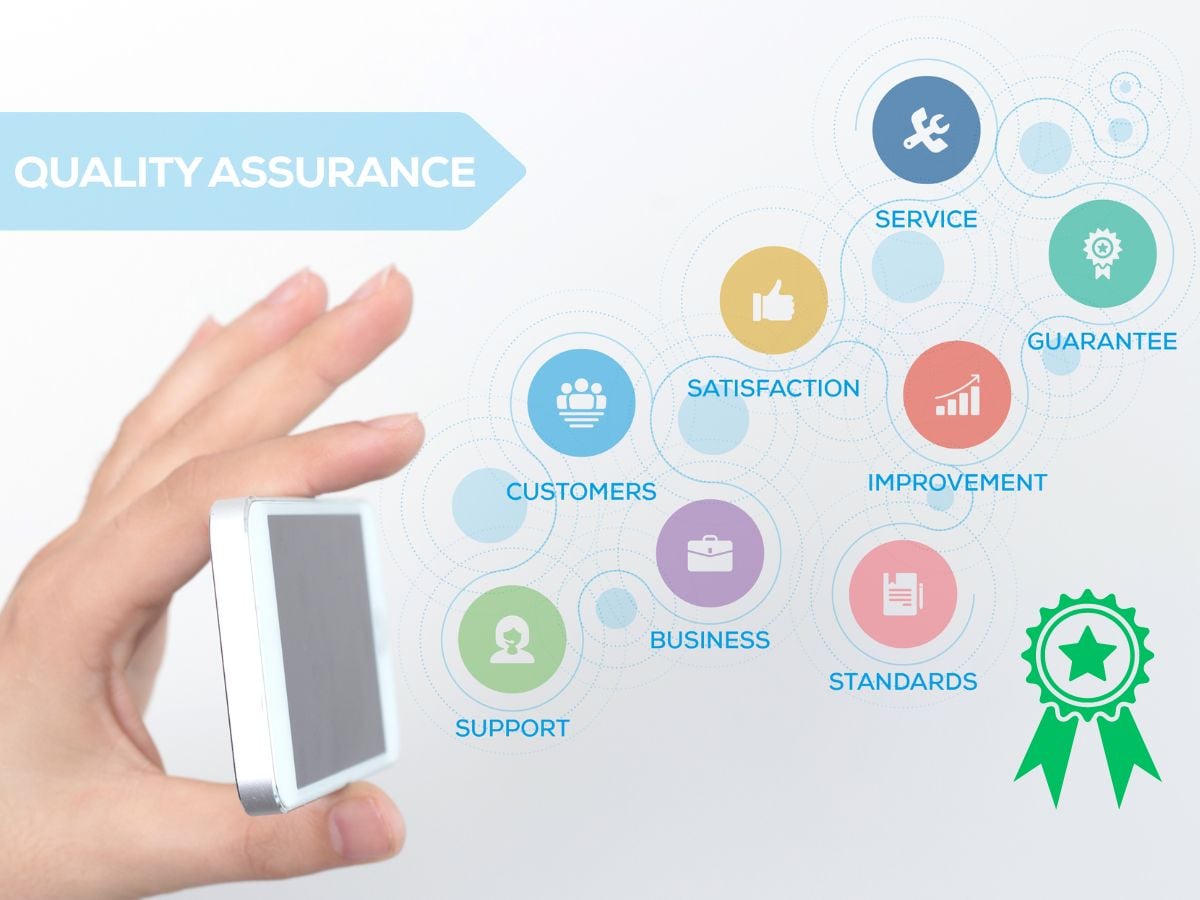
Quality Assurance:
A robust operations strategy ensures the creation of premium-quality goods and services that not only meet but exceed customer expectations. This constant striving for excellence cultivates a deep sense of trust and loyalty among your customers.
Ensuring Quality:
- Define Quality Standards: Outline the quality standards that your product or service must meet.
- Implement Quality Controls: Set up processes that monitor adherence to these standards at every stage of your product/service life cycle.
- Review & Improve: Regularly review your QA processes, get customer feedback, and continually set higher standards.
Cost Optimization:
Operations are often the levers for cost control and profit amplification in business planning format. Streamlined and well-managed processes curtail redundant expenses and bolster your company's bottom line.
Steps for Cost Optimization:
- Identify Costs: Recognize all direct and indirect costs incurred throughout your operational processes.
- Analyze & Prioritize: Analyze these costs vis-a-vis their resultant value. Prioritize areas where significant savings can occur.
- Cautioned Cutbacks: Implement informed, strategic cutbacks while ensuring operational effectiveness and efficiency are uncompromised.
Walmart's focus on cost optimization enables it to offer competitive prices while maintaining profitability. This is achieved through efficient management of supply chains, inventory control, and economies of scale.
Embodying these facets in your sales and operations strategy can serve a significant role in ensuring your venture scales successfully, harmoniously striking chords of growth, quality and customer satisfaction.
Impact of Operations Strategy on Business Success
Incorporating a well-implemented operations strategy into your business planning directly influences your success, sustainability, and competitiveness, regardless of the types of business you engage in. The strategy aligns your target market, goals, and implementation approach for long-term growth. Here's an expanded view of its impact:
Customer Satisfaction:
Efficient operations ensure your customers benefit from timely delivery, high-quality products, and exceptional service. By fulfilling and exceeding your customers' expectations, you foster customer satisfaction, loyalty, and long-term relationships.
Ways to enhance customer satisfaction:
- Set Customer-Oriented Goals: Align your business goals with customer-centric objectives, like improving response times or reducing product defects.
- Measure Performance: Regularly evaluate customer feedback and review your customer service metrics to improve upon areas identified as strengths or weaknesses.
- Empower Your Team: Train your employees to focus on customer satisfaction and provide them with the necessary tools and resources to deliver outstanding service.
Cost Efficiency:
An astute operations strategy optimizes costs throughout your business processes, improving your bottom-line, and promoting profitability and sustainability.
Boosting cost efficiency:
- Eliminate Waste: Identify areas where waste occurs, like excess inventory or production delays, and rectify them.
- Leverage Technology: Invest in technology and automation solutions that streamline operations and cut back on manual processes.
- Supply Chain Management: Strengthen partnerships with suppliers and distributors to economize costs through supply chain optimization.
Competitive Advantage:
A sound operations strategy enables your business to gain an upper hand against its competitors, positioning you as a force to be reckoned with in your target market.
Differentiating your business:
- Competitive Analysis: Perform a comprehensive analysis of your competitors to discover the critical differentiating factors.
- Innovate: Invest in research and development to create unique products or services that set you apart from your competition.
- Establish a Strong Brand: Build your brand presence through quality offerings, exceptional customer service, and effective marketing efforts, making it easier for your business to be recognized as a leader in its industry.
An efficient and thoughtful operations strategy sets the foundation for customer satisfaction, cost optimization, and gaining a competitive advantage, enabling your business to thrive in an ever-evolving market. By employing the various tips and guidelines mentioned throughout this discussion, you position your venture for long-term success, growth, and sustainability.
Practical Tips for Entrepreneurs: Unlocking Success with Operations Strategy
Implementing a sales and operations strategy in your startup or business can be revolutionary. Here are a few essential tips to consider while incorporating the strategy into the 'how to make a business plan' phase, driving the success of your venture—covering different types of business, engaging potential investors, and fostering growth.
Embrace Continuous Improvement:
Promote a culture of continuous process improvement by encouraging employees to recognize and eliminate inefficiencies within their sections of the business.
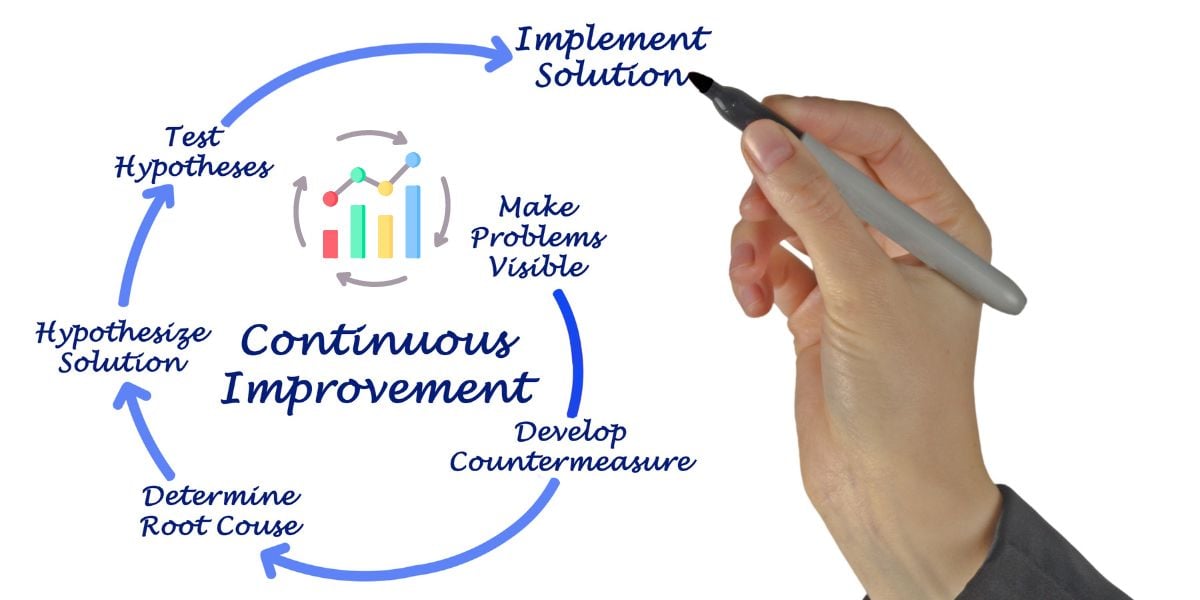
Tips for fostering continuous improvement:
- Celebrate Innovation: Recognize and reward employees who come up with innovative solutions to streamline processes.
- Provide Training: Offer training programs and workshops to enhance your team's problem-solving and process improvement skills.
- Set Periodic Goals: Establish measurable and achievable goals that encourage employees to continually refine the business processes.
Invest in Technology:
Leverage tech and software applications to streamline tasks, manage inventory, and monitor performance within your operations. Staying ahead of the technological curve can attract potential investors and customers alike.
Guideline for adopting technology:
Assess Technological Needs: Scrutinize your business processes to determine which aspects will most benefit from technology implementation.
Evaluate Potential Solutions: Research and analyze multiple technology solutions for their cost structure, compatibility, and scalability.
Gradual Implementation: Implement the chosen solution(s) in phases, ensuring proper training and adjustments to limit disruptive impacts on the business.
Monitor KPIs:
Set up Key Performance Indicators (KPIs) to measure the efficiency of your operations strategy and foster data-driven decision-making.
Choosing and monitoring KPIs:
Identify Vital Metrics: Determine which metrics are most relevant to your business objectives and will give you the most insights.
Establish Targets: Set target values for each metric, focusing on achievable yet ambitious goals.
Periodic Reviews: Regularly review your KPI performance, analyze the data, and tweak your operations strategy as needed to remain on target.
Customer-Centric Approach:
Prioritize customer needs in your operations, placing their satisfaction at the heart of your business decisions. This will ultimately boost customer loyalty and drive long-term growth.
How to achieve a customer-centric approach:
- Empathize with Your Customers: Truly understand your customers' needs and preferences by actively listening and collecting feedback.
- Tailor Your Offerings: Adapt your products, services, and support to cater to the unique requirements of your target market.
- Deliver Consistent Service: Train your employees to provide consistent, friendly, and efficient customer service throughout the entire customer journey.
By employing these practical tips, entrepreneurs can strike a balance between operational efficiency, customer satisfaction, and investor appeal in their business plan. This will pave the way for sustained growth and long-term success in an increasingly competitive market.
Accelerate Your Business Success with Operations Strategy
In the intricate landscape of entrepreneurship, a meticulously crafted operations strategy is your compass, guiding you towards the pinnacle of success. Embark on this exciting journey with the understanding that your strategy is not a rigid blueprint but a dynamic instrument that flexibly adapts to the ever-evolving business ecosystem.
Harmonizing your business operations and sales strategy ensures that all functions work synergistically towards common goals. Here, 'Sales and operations alignment' becomes the linchpin that connects all the moving parts in your venture, ensuring you're not just working hard, but working smart.

By adopting a robust operations plan, you fortify your enterprise, enhancing its competencies to achieve, compete, and flourish, irrespective of the business climate. This strategy unlocks the mysteries of sales forecasting, market research, and analytical assessment. It's like having a secret weapon that, when properly deployed, propels you towards achieving your objectives with streamlined efficiency.
But remember, Rome wasn't built in a day. Developing and implementing a potent operations strategy will require effort, patience, and regular refinement. Embrace these challenges as the stepping stones towards the triumph of your venture.
Having touched on the role of operations strategy let's motivate you by highlighting how it empowers your venture:
Unleashes Potential: By pinpointing inefficiencies in your operations and taking corrective action, you boost productivity and profitability. Every little tweak brings you closer to unleashing your venture's full potential.
Fosters Agility: With the right operations strategy, you're ready to dance to the rhythm of the market. Your adaptability becomes your strength, empowering you to face changes with confidence.
Propels Growth: A sound operations strategy lays the foundation for systematic growth, enabling you to steadily build your empire, one satisfied customer at a time.
Attracts Investment: A well-executed operations strategy acts like a magnet for potential investors, showcasing your venture's balance, foresight, and resilience.
So, fellow entrepreneurs, whether you're at the helm of a startup or an established business, let your operations strategy be your guiding light in your journey towards business supremacy. Be resilient, be adaptive, and above all, believe in your ability to turn the wheels of fortune in your favor. Success awaits those who dare to dream and have the courage to turn their dreams into reality. Let's get started!
Discover the Right Tools for Your Startup
Take our 2-minute quiz to find tools tailored to your specific needs and goals.
Take the QuizTakes only 2 minutes


